IEC 60068-2
IEC-68-2-27 – Section 3.5 Laboratory Shock and Drop Testing Equipment / Mechanical Impact Tester.
IEC-68-2-27 – Section 3.5 Laboratory Shock and Drop Testing Equipment / Mechanical Impact Tester IEC-68-2-27 – Section 3.5 Laboratory Shock
IEC-68-2-27 – Section 3.5 Laboratory Shock and Drop Testing Equipment / Mechanical Impact Tester
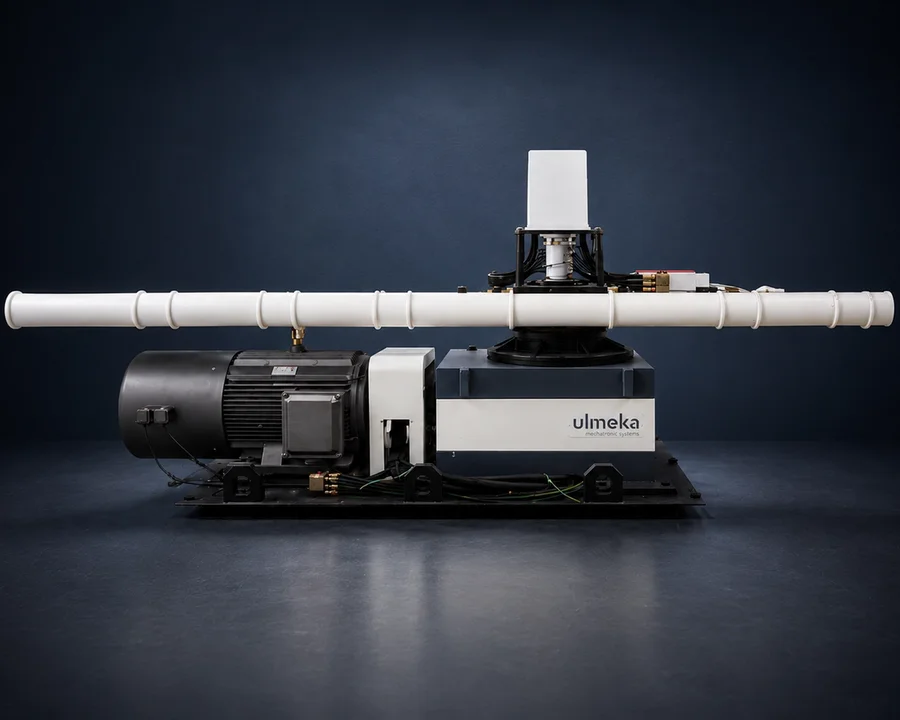
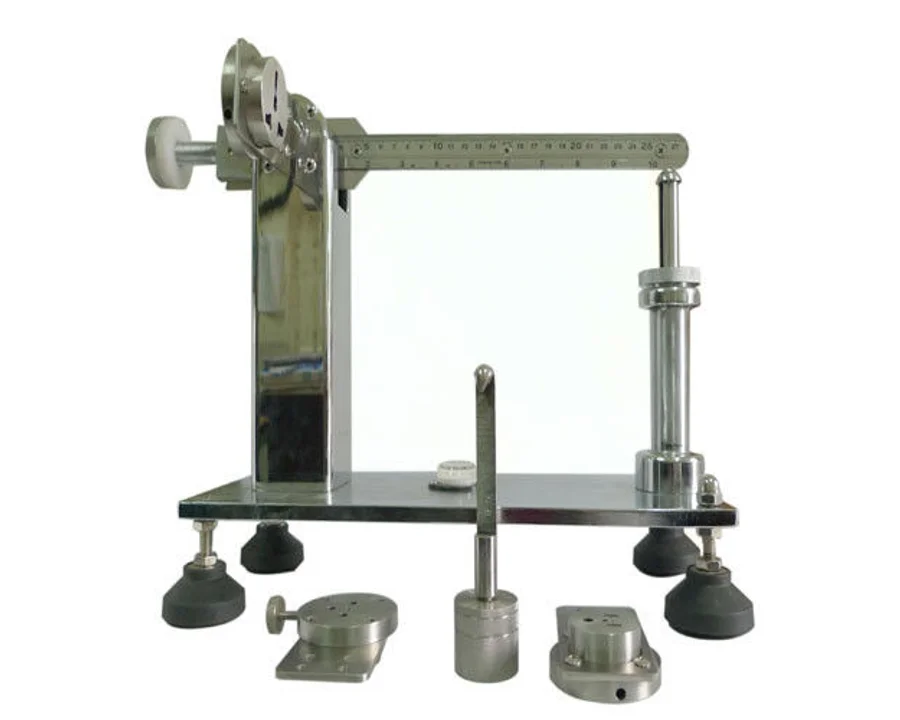
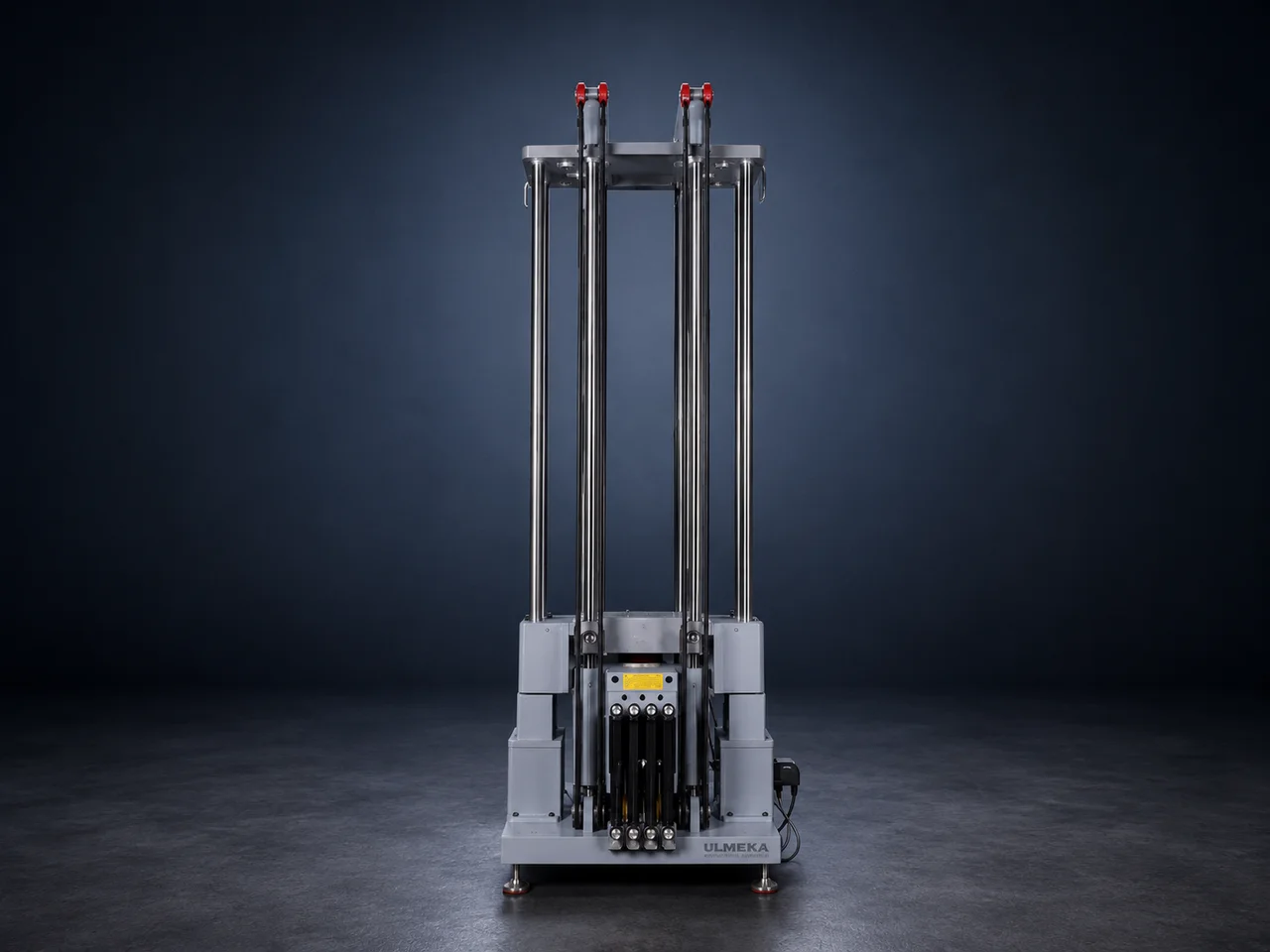
IEC-68-2-27 – Section 3.5 Laboratory Shock and Drop Testing Equipment is a test device designed to evaluate the resistance of electronic components and devices to mechanical impacts. This equipment, specifically in accordance with IEC-68-2-27 – Section 3.5, can perform tests with 1500G acceleration and 0.5 millisecond pulse duration.
Main Features:
- High Acceleration Capacity: Tests the resistance of components to high-intensity impacts by applying accelerations up to 1500G.
- Short Pulse Duration: Simulates sudden and intense shock conditions with a short pulse duration of 0.5 milliseconds.
- Various Test Modes: Provides flexible test options with different shock waveforms such as half-sine and square waves.
- User-Friendly Control Panel: Allows for easy operation and quick settings adjustments with a touchscreen interface.
- Sturdy Construction: Offers long-lasting and reliable performance with high-rigidity shock tables and robust construction.
Technical Specifications:
- Table Size: Available in various size options, from 40×40 cm to 200×200 cm.
- Maximum Sample Weight: Compatible with weights ranging from 30 kg to 1000 kg.
- Acceleration Range: Can apply accelerations from 300G to 600G for half-sine wave, and from 100G to 150G for square wave.
- Pulse Duration: Adjustable from 20 ms to 40 ms for half-sine wave, and 30 ms for square wave.
- Machine Size: Varies based on the table size; for instance, the machine size for a 40×40 cm table is 120x110x245 cm.
- Machine Weight: Ranges from 1900 kg to 19500 kg, depending on the table size and features.
Applications:
- Electronic Components: Testing sensitive electronic products such as mobile phones, computer components, optical elements.
- Automotive Industry: Evaluating the durability of in-vehicle electronic systems and components.
- Military and Aerospace: Testing equipment designed for harsh conditions.
- Consumer Electronics: Measuring the durability of consumer products against impacts encountered during transportation and use.
Sections of the Standard Where the Test is Included:
- The JESD22-B104 standard is included in the Condition B section. This section requires the test to be conducted with 1500G acceleration and a 0.5 millisecond pulse duration.
- The MIL-STD-202F standard defines shock tests and related procedures in Method 213 (Shock).
- The IEC-68-2-27 standard, Section 3.5, specifies the types of shocks, durations, and acceleration values to be applied for shock testing.
High Acceleration Shock Test System Applications:
Testing the durability of products such as mobile phones, computer components, connectors, optical elements, mobile products, etc.
High Acceleration Shock Test System Specifications:
- Table Size: 15×15 cm, 20×20 cm
- Shock Pulse: Half-sine wave
- Maximum Sample Weight: 5-10 kg
- Acceleration Range: 20G ~ 1500G, 20G ~ 10000G
- Pulse Duration: 0.5 ms ~ 11 ms, 0.2 ms ~ 11 ms
You can also contact us for more information about IEC-68-2-27 – Section 3.5 Laboratory Shock and Drop Testing Equipment / Mechanical Impact Tester and to place orders for custom sizes.
Standard reference
IEC 60068-2-27 (formerly IEC 68-2-27) defines the mechanical shock test (Test Ea); the apparatus requirements are given in the equipment clauses of the standard. The tester applies defined acceleration pulses for laboratory shock and drop testing on each axis.
Normes
et méthodes.
ULMEKA conçoit des systèmes d'essais
selon vos spécifications.
Si votre besoin sort de ce catalogue — dimensions de chambre sur mesure, intégration de normes combinées ou profils d'essais personnalisés — adressez-vous à notre équipe d'ingénierie.
Systèmes
associés.
VOIR LE CATALOGUE COMPLET →