RTCA DO-160
DO-160 Temperature Tests (Section 4, 5) Devices.
DO-160 Section 4 and Section 5 cover the combined and individual temperature and altitude conditions encountered by airborne equipment. Section 4 governs sustained operation under combined temperature and altitude (low operating temperature, high short-time operating temperature, ground survival, in-flight loss of cooling, altitude variation, decompression), while Section 5 addresses temperature variation — rapid transitions between low and high temperatures that occur during ascent, descent and altitude excursions.
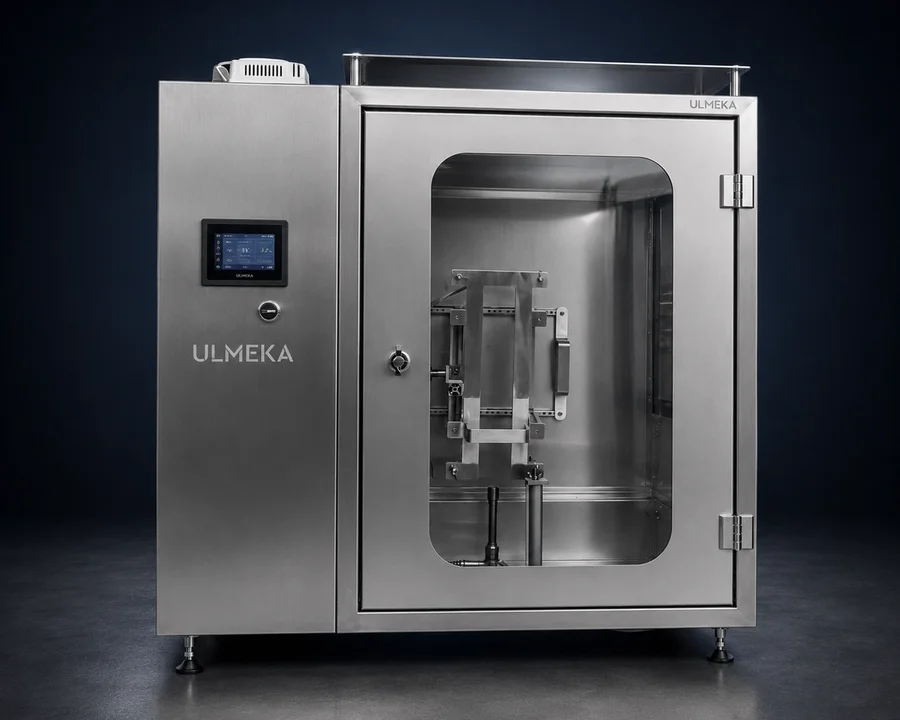
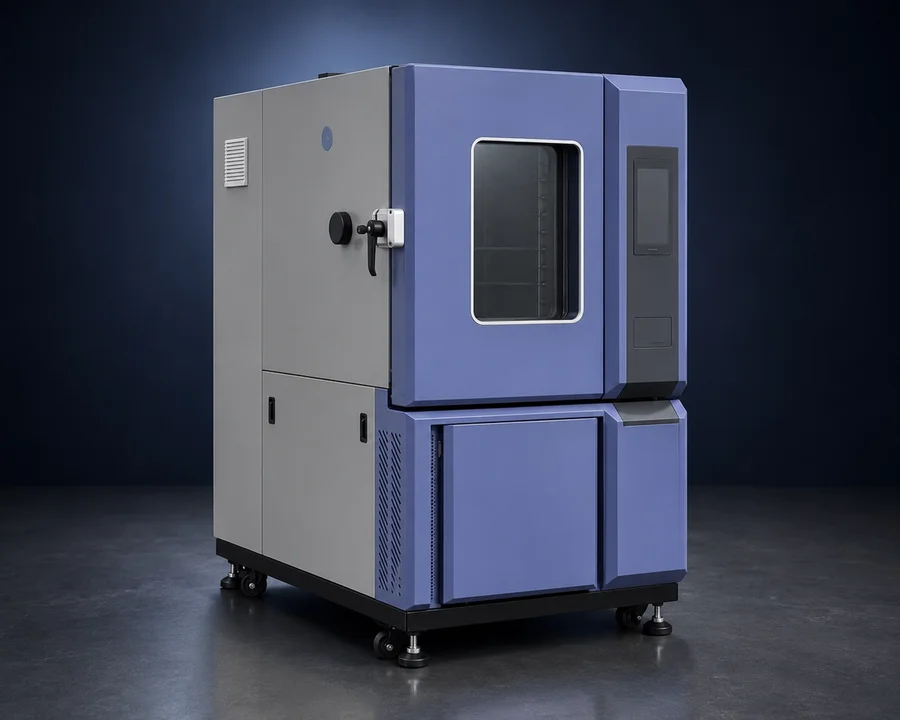
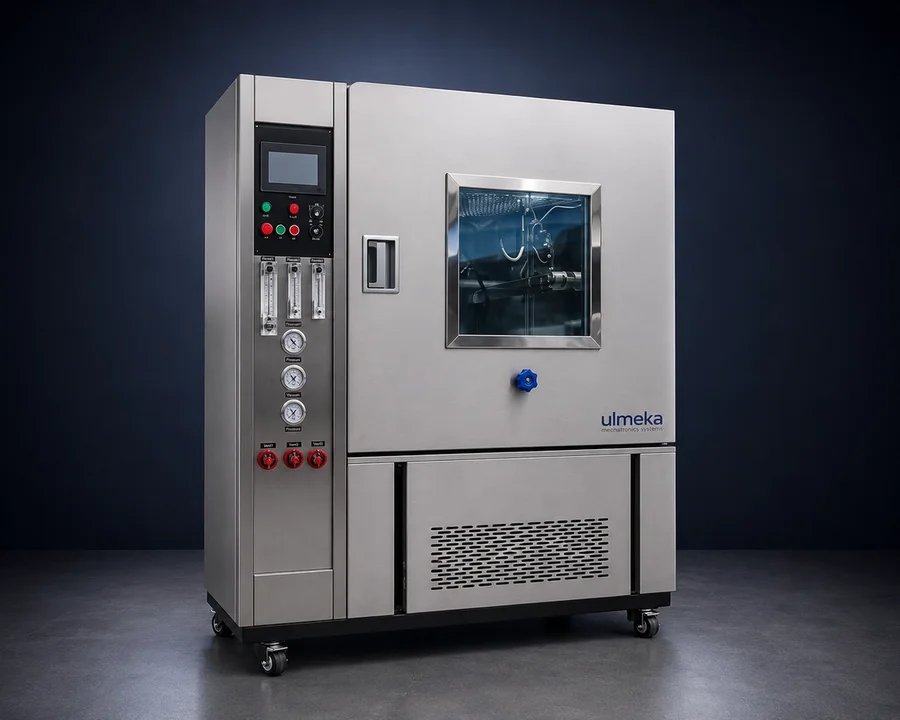
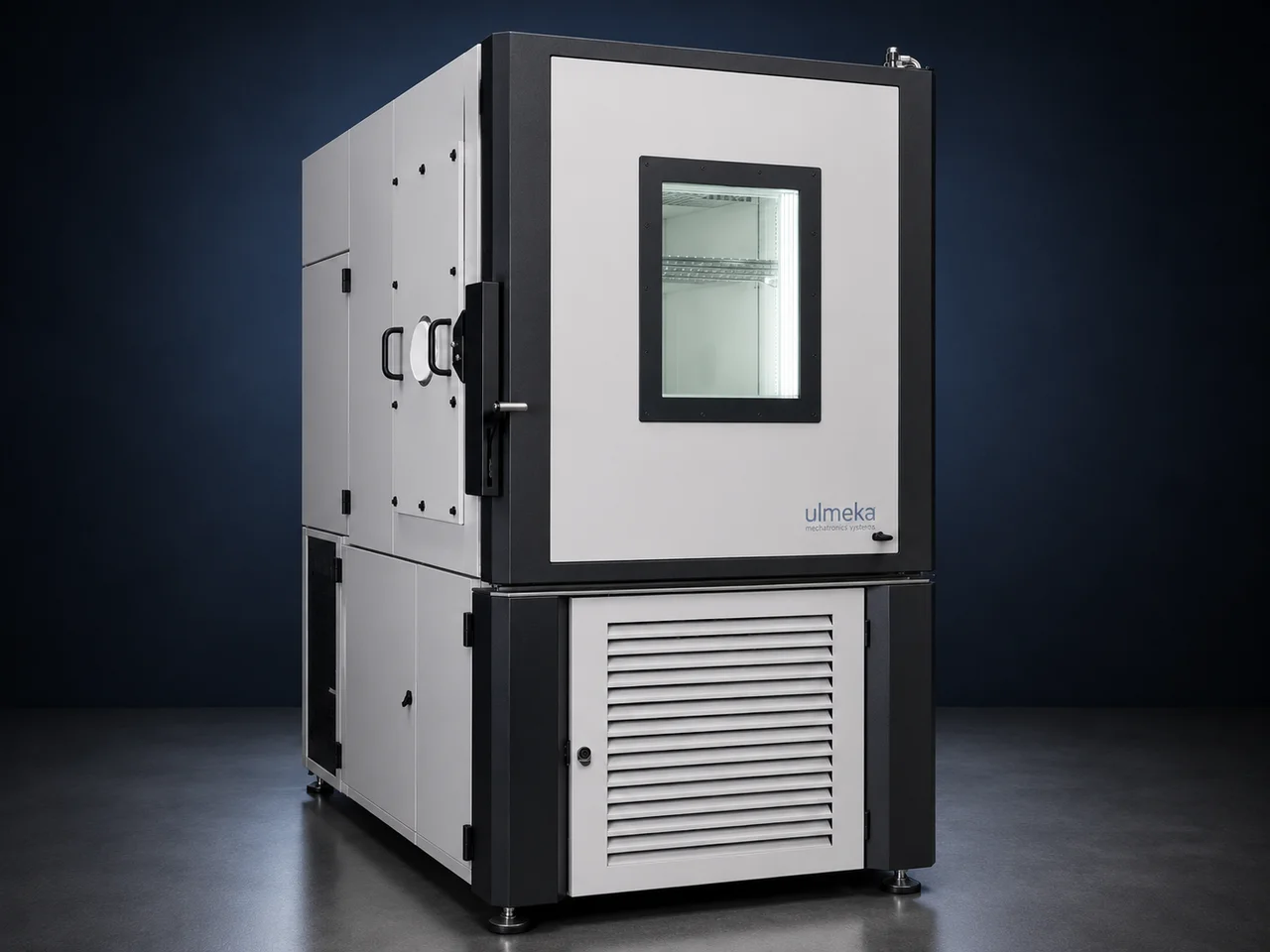
This test device supports both Section 4 (steady-state temperature/altitude exposure) and Section 5 (temperature variation) qualification procedures defined by RTCA DO-160.
Test scope
The chamber subjects equipment to defined temperature profiles with controlled altitude (pressure) reduction where required. Both Section 4 and Section 5 are typically invoked together for avionics qualification — Section 4 establishes the operating envelope and Section 5 verifies behaviour under ramp-rate transitions.
Method reference
- RTCA DO-160 Section 4 — Temperature and altitude (low operating, high operating, ground survival, loss of cooling, decompression, overpressure)
- RTCA DO-160 Section 5 — Temperature variation (defined ramp rates between low and high temperatures over multiple cycles)
- EUROCAE ED-14 — European equivalent, identical structure
- Severity categories are matched to the equipment installation zone — cockpit, pressurised cabin, unpressurised equipment bay, engine zone, external — each invoking different temperature and altitude limits.
Configuration
- Temperature-controlled climatic chamber with controlled ramp rates suitable for Section 5 transitions
- Optional integrated altitude (pressure reduction) capability for Section 4 high-altitude procedures
- Multi-channel functional monitoring interface for equipment electrical and operational verification during exposure
- Programmable test profile sequencer for repeatable Section 4 and Section 5 procedure execution
Working volume, temperature range, and ramp rate are configured to meet RTCA/DO-160 §4 (Temperature and Altitude) and §5 (Temperature Variation) category-specific limits. Final dimensions and severity are determined at the quotation stage based on the procuring activity's selected DO-160 category and equipment envelope.
Use case
- Avionics qualification under FAA AC 21-16 or EASA equivalent certification basis
- Cockpit instruments, flight management systems, communication equipment
- Equipment in unpressurised bays subject to altitude-correlated temperature swings
- Helicopter and fixed-wing aircraft platforms across commercial, business and regional aviation
Engineering notes
Section 4 and Section 5 are among the most frequently invoked DO-160 sections — they apply to virtually all airborne equipment. The severity category within each section is determined by the installation zone, and tailoring decisions need to be agreed with the certification authority early. Test sequence design (Section 4 first or interleaved with Section 5) affects test duration and equipment thermal history; pre-compliance review can identify the optimal sequence for the specific equipment under qualification.
Standard reference
RTCA DO-160 Section 4 (Temperature and Altitude) covers operating and non-operating temperature limits combined with altitude, while Section 5 (Temperature Variation) verifies behaviour under defined rates of temperature change between low and high extremes. The temperature limits, rate of change and number of cycles are taken from the equipment category.
Стандарты
и методы.
ULMEKA проектирует испытательные системы
по техническому заданию.
Если ваше требование выходит за рамки этого каталога — нестандартные размеры камер, интеграция комбинированных стандартов или индивидуальные профили испытаний — обратитесь к нашей инженерной команде.
Связанные
системы.
СМОТРЕТЬ ПОЛНЫЙ КАТАЛОГ →