RTCA DO-160
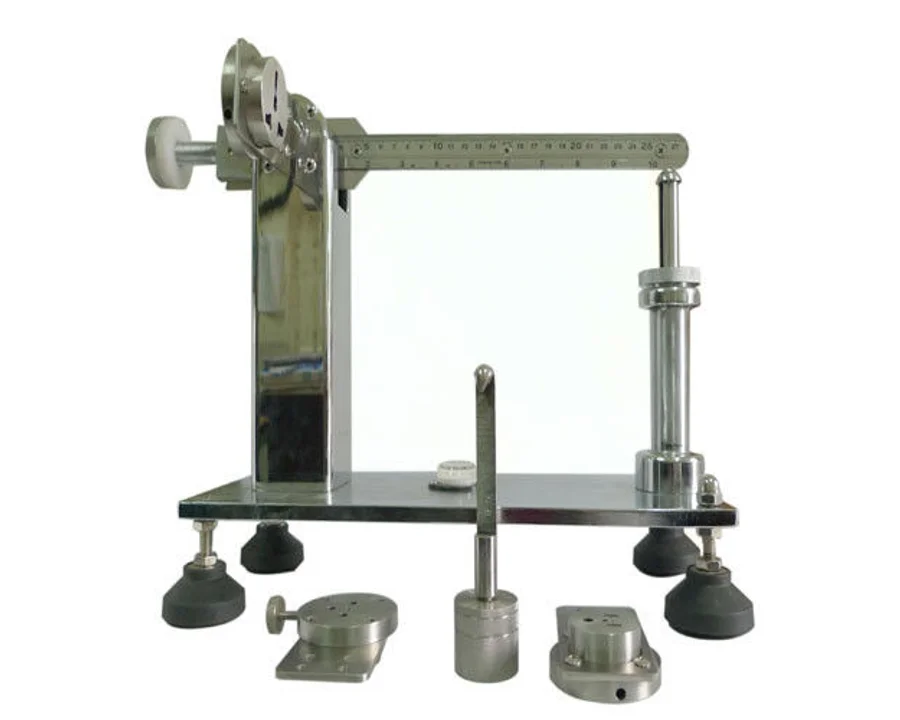
DO-160 Fire and Burning Resistance (Section 26) Test Device.
Horizontal Burning Test : UL HB, IEC 60695-11-10, IEC 60707, ISO 1210, GB/T 2408 50W Vertical Burning Test : UL94 V0, V1, V2, IEC 60695-11-10, ISO 1210, GB/T 2408 500W Vertical Burning Test : UL94 5VA, 5VB, IEC 60695-11-20, ISO 9770, GB/T 5169.17 Membrane Material Vertical Burning Test : VTM-0, VTM-1, VTM-2, ISO 9773 Foam Material Horizontal Burning Test : HF-1, HF-2, HBF, ISO 9772, GB/T 8332 The reference standards for horizontal and vertical burning tests include UL94-2006, IEC 60695-11-4, IEC 60695-11-3, GB4943-2001, GB/T5169-2008, IEC60950. The test uses a Bunsen burner of the specified size, with the required ignition gas source (methane or propane). Ignition is applied to the horizontal or vertical specimen at a certain height and angle, periodically. The test evaluates the specimen’s combustibility and fire resistance by measuring ignition time, burn duration, and combustion length.
RTCA DO-160: Section 26 – Fire, Flammability, and Burn Resistance
The RTCA DO-160: Section 26 standard is designed to assess the fire safety of electronic equipment or materials used in aircraft. The tests aim to reduce fire risks or control the ignition, burning, and melting characteristics of the equipment. These critical tests ensure the equipment’s fire resistance within an aircraft, helping to ensure the safety of both the aircraft and its passengers.
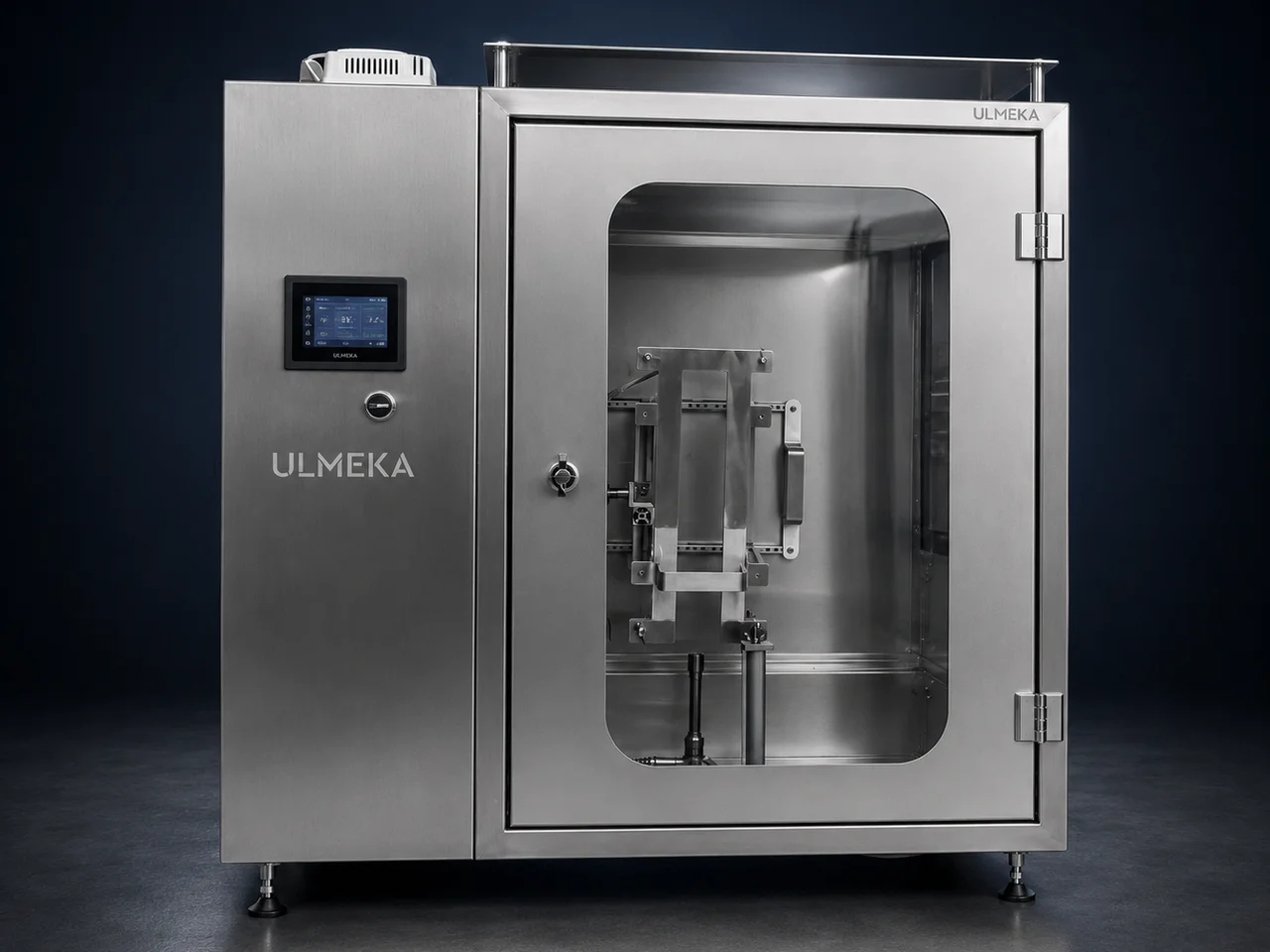
At ULMEKA Mechatronic Engineering, our device is manufactured in compliance with ISO-7137 standards, specifically RTCA DO-160 Section 26, with reference to Figures 26-3 (Vertical Bunsen Burner Test Sample Holder) and 26-9 (Horizontal Bunsen Burner Test Sample Holder).
Key Features of the Test
- Vertical Flame Test (Dikey Yanma Testi)
Objective: Measure the ignition time and burn length of equipment in a vertical position.
Methodology:- The sample is fixed in a vertical position.
- A heat source is applied for 60 seconds.
- The self-extinguishing time or burn length of the flame is evaluated.
- Horizontal Flame Test (Yatay Yanma Testi)
Objective: Measure the burning behavior of equipment in a horizontal position.
Methodology:- The sample is placed horizontally.
- A flame source is applied to the front edge of the sample.
- The flame spread rate is measured.
- Drip Resistance Test (Erime ve Damla Testi)
Objective: Determine the melting and dripping behavior of equipment during burning.
Methodology:- The sample is exposed to a heat source at high temperature.
- The behavior of the molten drops is assessed, including whether they ignite or pose additional risks.
- Flammability Resistance (Yangına Karşı Direnç)
Objective: Measure the material’s overall resistance to fire.
Methodology:- The material is tested in a real-world aircraft fire simulation environment.
- Parameters such as charring, smoke generation, and toxic gas emissions are evaluated.
General Features Table
Feature Description Vertical Burn Duration The time for the flame to self-extinguish after the heat source is applied. Horizontal Flame Spread Rate The speed at which the flame spreads on a horizontal surface (measured in mm/min). Melting and Dripping Behavior The tendency of the equipment to melt and drip, and whether these drips ignite. Flame Resistance Time The amount of time the sample withstands in a fire simulation environment. Smoke Density The density of smoke produced during burning. Toxic Gas Emissions The type and quantity of toxic gases emitted during combustion. Test Duration Each test lasts between 60 seconds to 10 minutes. Test Environment Controlled laboratory conditions using standard fire simulation devices.
Additional Information
The RTCA DO-160 Section 26 tests are crucial for ensuring that aircraft components are safe and reliable under potential fire conditions. By conducting these tests, manufacturers can guarantee the fire resistance of their electronic equipment and materials used in the aviation industry.
For more information about RTCA DO-160 and to place an order, please feel free to contact us!
Standard reference
RTCA DO-160 Section 26 defines Fire, Flammability and Burn-resistance requirements for materials and components used in aircraft. Methods include vertical flammability (Bunsen-burner) tests with defined flame application and after-flame/after-glow limits, and for some parts more severe burn-through / oil-burner exposure. The applicable method and category follow the standard.
Стандарты
и методы.
ULMEKA проектирует испытательные системы
по техническому заданию.
Если ваше требование выходит за рамки этого каталога — нестандартные размеры камер, интеграция комбинированных стандартов или индивидуальные профили испытаний — обратитесь к нашей инженерной команде.
Связанные
системы.
СМОТРЕТЬ ПОЛНЫЙ КАТАЛОГ →