MIL-STD-810H
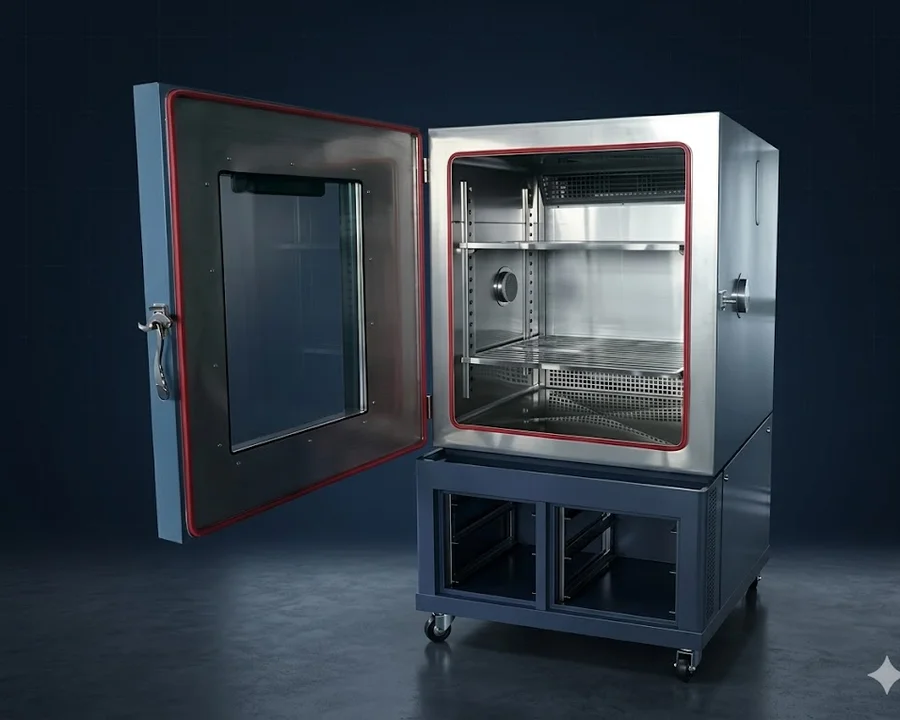
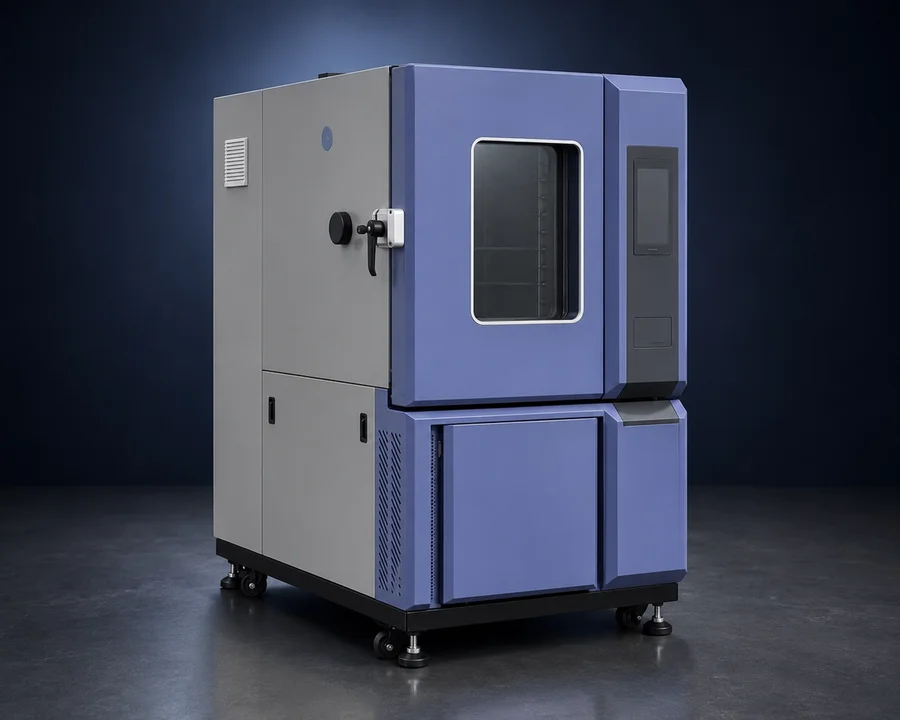
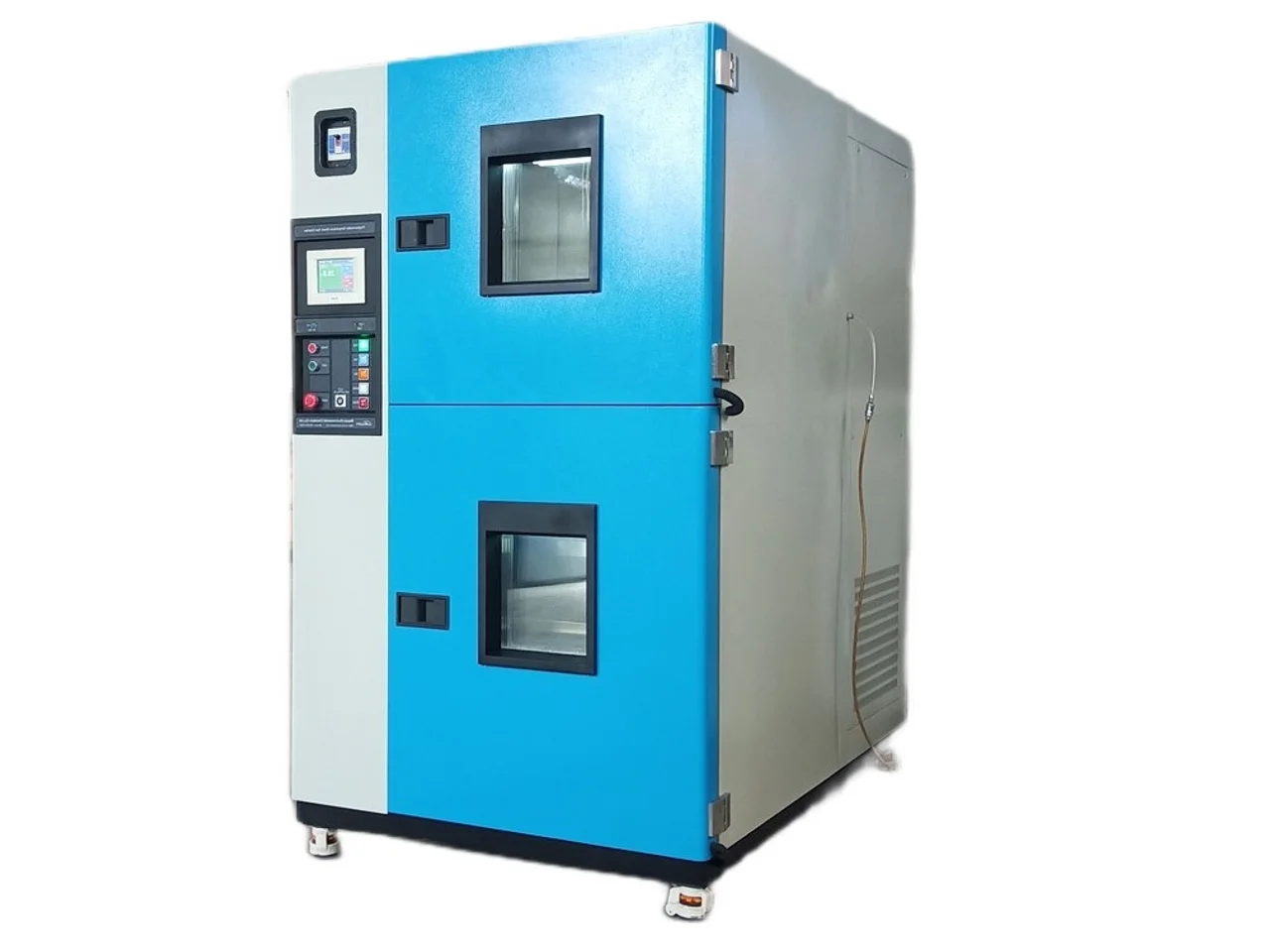
MIL-STD-810H Humidity (Method 507.6) Test Machine.
MIL-STD-810H (Method 507.6) Humidity MIL-STD-810G (Method 507.5) Test Machine The MIL-STD-810H (Method 507.6) Humidity Test Machine evaluates the device’s resistance
MIL-STD-810H (Method 507.6) Humidity
MIL-STD-810G (Method 507.5) Test Machine
The MIL-STD-810H (Method 507.6) Humidity Test Machine evaluates the device’s resistance to high humidity conditions. This test simulates the device’s performance under prolonged exposure to humidity.
1. Scope
This method is designed to test the resistance of military equipment to hot and humid environments. It focuses specifically on testing materials that may be exposed to high humidity levels.
- Purpose: To evaluate the durability of materials when exposed to hot and humid conditions.
- Application: This test simulates the effects of high humidity conditions that equipment may experience during storage or operation.
- Limitations: The long-term effects of natural environmental humidity cannot be fully replicated.
2. Tailoring Guidance
This section explains how the test method can be adapted and integrated with other test methods.
- Effects of Warm, Humid Environments:
- Metal oxidation and galvanic corrosion.
- Acceleration of chemical reactions.
- Changes in the properties of plastic and composite materials.
- Electrical short circuits due to condensation.
- Sequence Among Other Methods:
- Since humidity testing may cause irreversible effects, it is generally not conducted after salt fog, sand-dust, or fungal tests.
3. Information Required
This section details the information that must be collected before, during, and after testing.
- Pre-Test: The physical condition of the test sample, measurement sensors, and the functionality of the equipment before testing are assessed.
- During Test: Temperature, relative humidity levels, and test duration are recorded.
- Post-Test: Physical and functional changes in the tested equipment are analyzed.
4. Test Process
The step-by-step procedure for conducting the test is explained.
- Test Facility:
- A test chamber capable of controlling humidity and temperature is required.
- Steam or water injection can be used for humidity generation.
- The chamber must be designed to prevent condensation from dripping onto the test specimen.
- Test Sensors and Measurements:
- Sensors unaffected by water condensation should be used.
- Temperature and humidity levels must be continuously monitored and recorded.
- Air Velocity:
- A specific level of airflow must be maintained in the test chamber.
- Test Procedures:
- Method I: Induced & Natural Cycles (Storage & Transport Cycles)
- Three different humidity cycles are simulated:
- B1 – Constant High Humidity: Continuous high temperature and humidity.
- B2 – Cyclic High Humidity: Fluctuating humidity levels due to day and night temperature variations.
- B3 – Hot Humid: A combination of high temperature and high humidity.
- Three different humidity cycles are simulated:
- Method II: Aggravated Test:
- Uses more extreme temperature and humidity levels than real-world conditions.
- Designed to produce faster results but may not fully represent natural environmental exposure.
- Method I: Induced & Natural Cycles (Storage & Transport Cycles)
5. Analysis of Results
- The collected data provides insights into the durability of materials against heat and humidity.
- Additional tests may be required for long-term durability assessments.
6. Reference Documents
- MIL-HDBK-310: Global Climatic Data
- NATO STANAG 4370: Environmental Testing
- MIL-STD-210B: Climatic Extremes for Military Equipment
Summary of MIL-STD-810H Method 507.6 – Humidity Test
The Humidity Test in MIL-STD-810H is designed to evaluate the durability of military equipment under high temperature and humidity conditions. This test assesses how equipment performs in hot and humid environments.
Test Process:
- Storage & Transport Cycles (Method I): Three different test cycles simulate real-world humidity conditions.
- Aggravated Test (Method II): Conducted under extreme conditions to obtain rapid results.
Effects Evaluated:
- Metal corrosion, degradation of plastic materials, electrical short circuits, and damage to optical components.
Final Assessment:
- The data collected helps analyze the long-term durability of equipment under temperature and humidity stress.
This test is crucial for ensuring the reliability of military and industrial equipment in extreme environmental conditions.
Key Features
Feature Value / Description Humidity Range 95% relative humidity Temperature Range From 20°C to 40°C Test Duration Between 24 hours and 1000 hours Test Method Testing in a high humidity environment Test Result Evaluates the device’s resistance to humid conditions
Application Areas
- Electronic Devices: Devices operating in humid environments.
- Military Devices: Equipment used in areas with humid climate conditions.
For more information about MIL-STD-810H (Method 507.6) and to place an order, please contact us!
Standard reference
MIL-STD-810H Method 507.6 defines the Humidity test using cyclic temperature-humidity exposure to reveal condensation, absorption and surface effects. The aggravated cycle, number of cycles and temperature/humidity levels are selected from the equipment’s environmental life-cycle.
Normes
et méthodes.
ULMEKA conçoit des systèmes d'essais
selon vos spécifications.
Si votre besoin sort de ce catalogue — dimensions de chambre sur mesure, intégration de normes combinées ou profils d'essais personnalisés — adressez-vous à notre équipe d'ingénierie.
Systèmes
associés.
VOIR LE CATALOGUE COMPLET →