RTCA DO-160
DO-160 Icing / Freezing Test (Section 24) and Test Devices.
DO-160 Icing / Freezing Test (Section 24) and Test Devices What is the DO-160 Icing / Freezing Test? The DO-160
DO-160 Icing / Freezing Test (Section 24) and Test Devices
What is the DO-160 Icing / Freezing Test?
The DO-160 standard was developed to evaluate the environmental resilience of aviation electronics and components that may encounter environmental challenges during flight. Section 24 of this standard is called the Icing and Freezing Test, which tests the ability of electronic equipment to operate under extreme cold conditions.
This test simulates conditions where icing or freezing occurs on aircraft exterior surfaces, engines, and critical avionic systems. Aerospace electronics must operate safely and efficiently under such extreme weather conditions.
Icing / Freezing Test in the DO-160 Standard
DO-160 Section 24 is also related to the following standards:
- IEC 60068-2-38 (Temperature and Humidity Cycling Tests)
- MIL-STD-810H Method 521.4 (Icing and Freezing Tests)
- RTCA/DO-160G Section 24.0 (Icing and Extreme Cold Endurance Test)
This test is conducted to assess the performance of devices when exposed to low temperatures and icing conditions.
Test Purpose
The Icing / Freezing Test is applied to ensure that devices can reliably operate under extreme cold and freezing conditions during flight. The test measures factors such as operability in low temperatures, the impact of ice formation on mechanical and electronic systems, and performance degradation after freezing.
How is the DO-160 Icing / Freezing Test Conducted?
The Icing / Freezing Test is carried out in the following stages:
- Preparation: The device to be tested is placed in a specially designed icing test chamber.
- Temperature and Humidity Control: The test chamber is set to controlled temperatures ranging from -55°C to 0°C, with specified humidity levels.
- Icing Scenario: The device is exposed to water vapor and freezing cycles throughout the test duration to simulate ice formation.
- Test Duration: The duration of the test can vary from 4 hours to 72 hours.
- Function Control: After the test, the mechanical, electronic, and thermal durability of the device is evaluated.
Devices Used for the Icing / Freezing Test
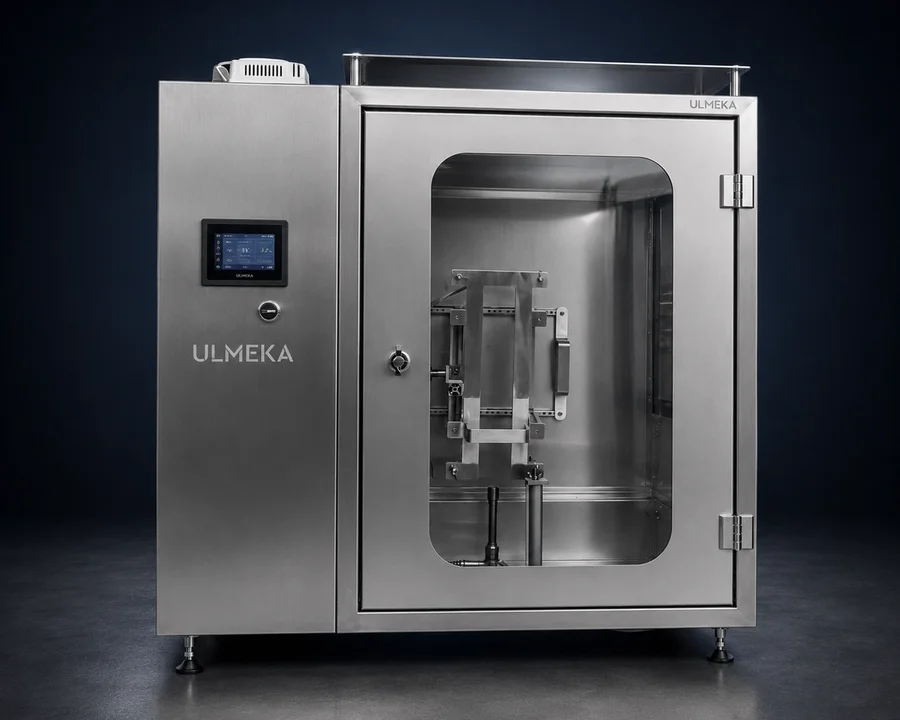
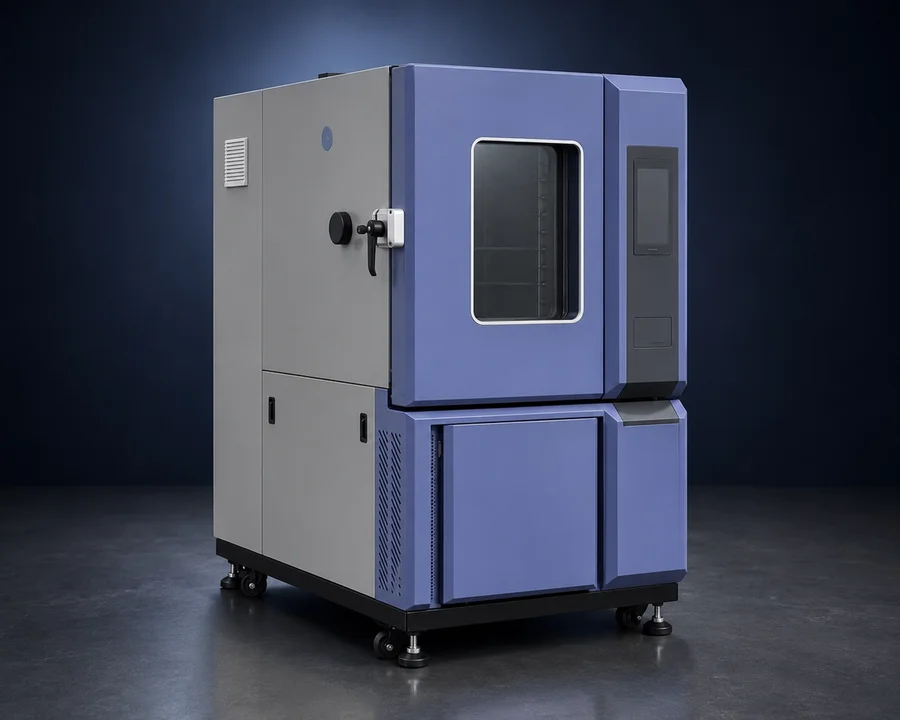
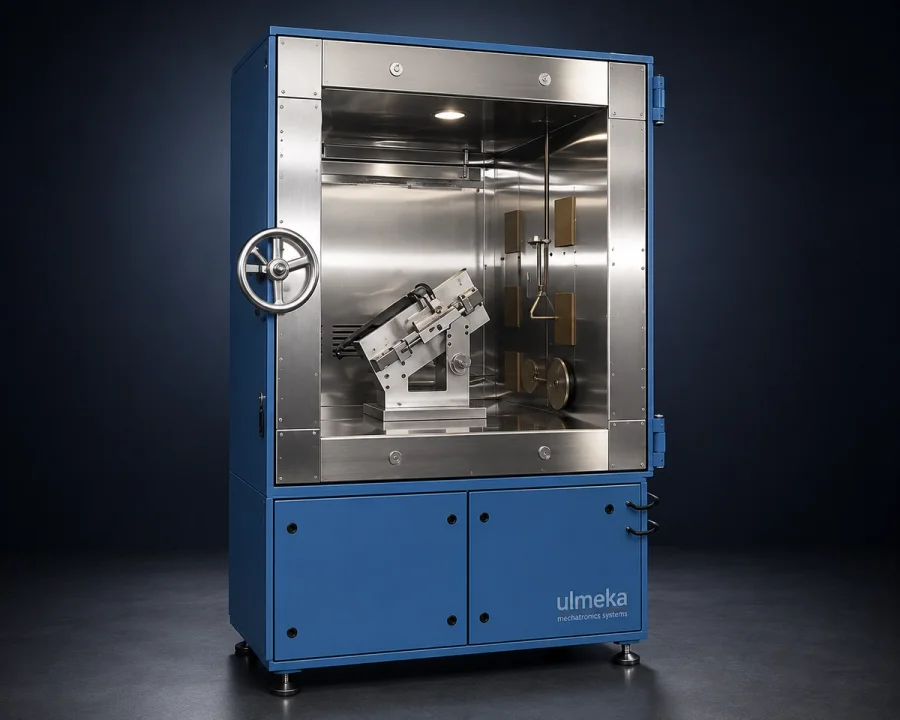
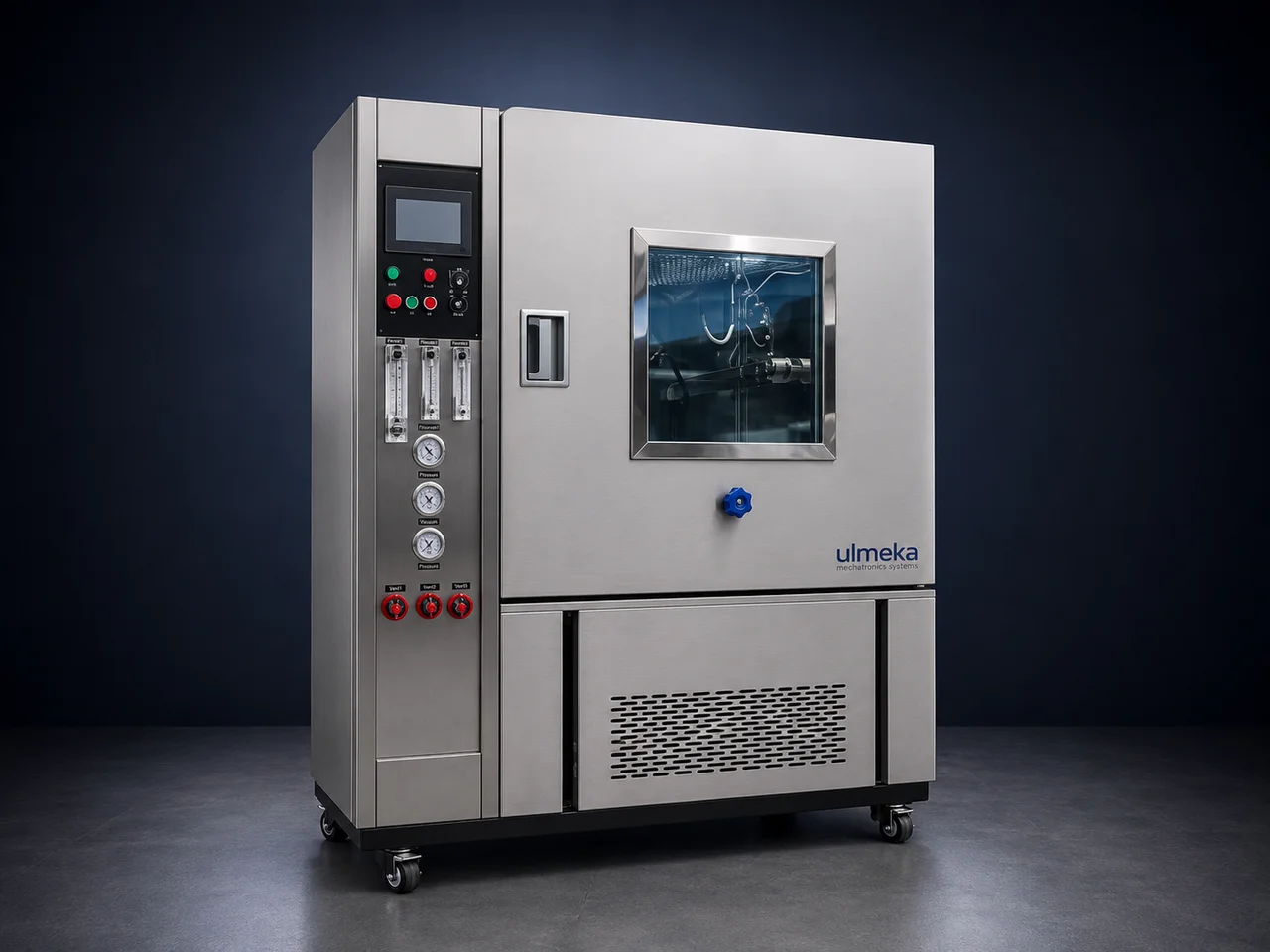
Special cooling and icing test chambers are used for the DO-160 Section 24 Icing / Freezing Test. These test devices are designed to simulate low temperatures and icing conditions.
- Icing and Freezing Test Chambers
- Capable of testing over a wide temperature range (-70°C to +10°C).
- Creates realistic icing scenarios using water spraying and evaporation systems.
- Simulates rapid temperature changes with cooling and heating systems.
- Provides real-time data tracking during the test with observation windows and internal sensors.
- Low Temperature Test Chambers
- Allows testing at low temperatures with various airflow speeds.
- Measures the electrical and mechanical performance of components under extreme cold.
- Tests freezing-thawing cycles by exposing devices to sudden temperature changes.
Applications of the Test
The DO-160 Icing / Freezing Test is applied in the following areas:
- Aerospace electronics and avionic systems
- Aircraft exterior surface components
- Radar, sensors, and communication equipment
- Aircraft engines and mechanical parts
Results of the DO-160 Icing / Freezing Test
The results of the test evaluate the device’s resistance to extreme cold weather, the effect of ice formation on functional performance, and the device’s operability after the test. Devices that pass the test demonstrate their ability to operate safely under icing and freezing conditions.
Conclusion
The DO-160 Section 24 Icing / Freezing Test is a critical test to guarantee the performance of aerospace electronics under extreme cold conditions. This test is especially important to prevent mechanical and electronic malfunctions that could be caused by icing during flight.
Standard reference
RTCA DO-160 Section 24 defines Icing tests. It addresses ice formation from freezing rain, freezing fog, frost and from melt-and-refreeze cycles, verifying that equipment continues to operate (or can be returned to operation) under ice loading. The applicable icing scenario and durations are selected from the equipment category.
Standards
& methods.
ULMEKA engineers test systems
to specification.
If your requirement is outside this catalogue — custom chamber sizes, combined-standard integration, or tailored test profiles — talk to our engineering team.
Related
systems.
VIEW FULL CATALOGUE →