RTCA DO-160
DO-160 Humidity Test (Section 6) Device.
DO-160 Humidity Test (Section 6) Device What is the DO-160 Humidity Test? The DO-160 standard was developed to test the
DO-160 Humidity Test (Section 6) Device
What is the DO-160 Humidity Test?
The DO-160 standard was developed to test the environmental durability of electronic equipment used in the aerospace and aviation industries. The Section 6 of this standard covers the Humidity Test, which evaluates how equipment performs under humid conditions. This test is applied to determine the resilience of aerospace electronics against factors such as high humidity and condensation.
Humidity Test in the DO-160 Standard
The Humidity Test defined under DO-160 Section 6 is also related to the following standards:
- IEC 60068-2-78 (Constant temperature and humidity tests)
- MIL-STD-810H Method 507.6 (Humidity tests)
- RTCA/DO-160G Section 6.0 (Humidity resistance test)
These tests are applied to determine whether the devices can operate without degradation in high-humidity environments.
Test Purpose
The Humidity Test is conducted to measure the resistance of aerospace electronics to high humidity levels. It is used to assess potential risks such as corrosion, short circuits, and material degradation caused by humidity.
How is the DO-160 Humidity Test Conducted?
The Humidity Test is carried out in the following stages:
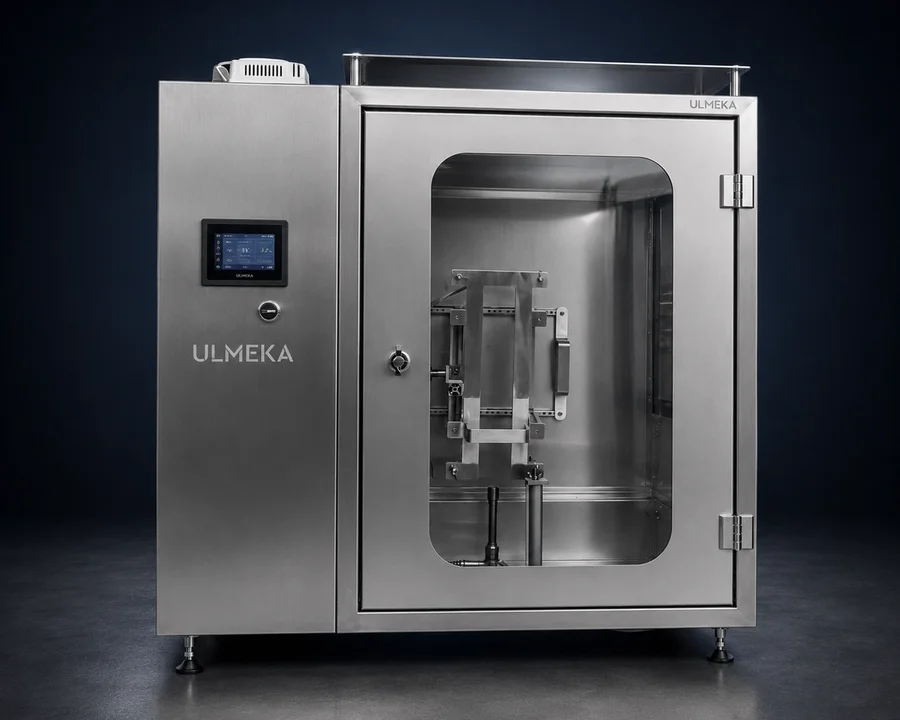
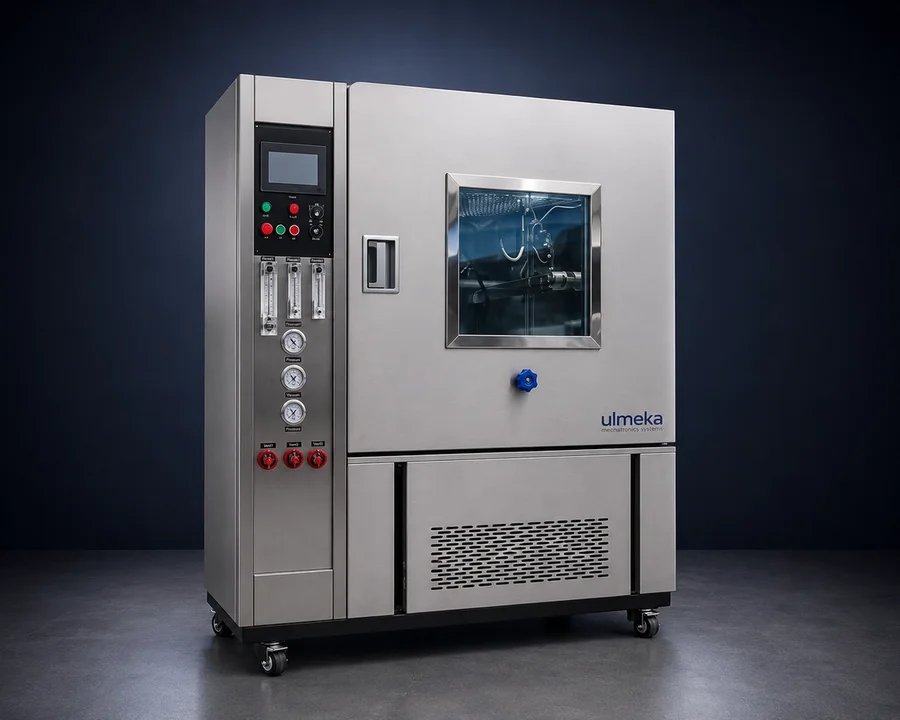
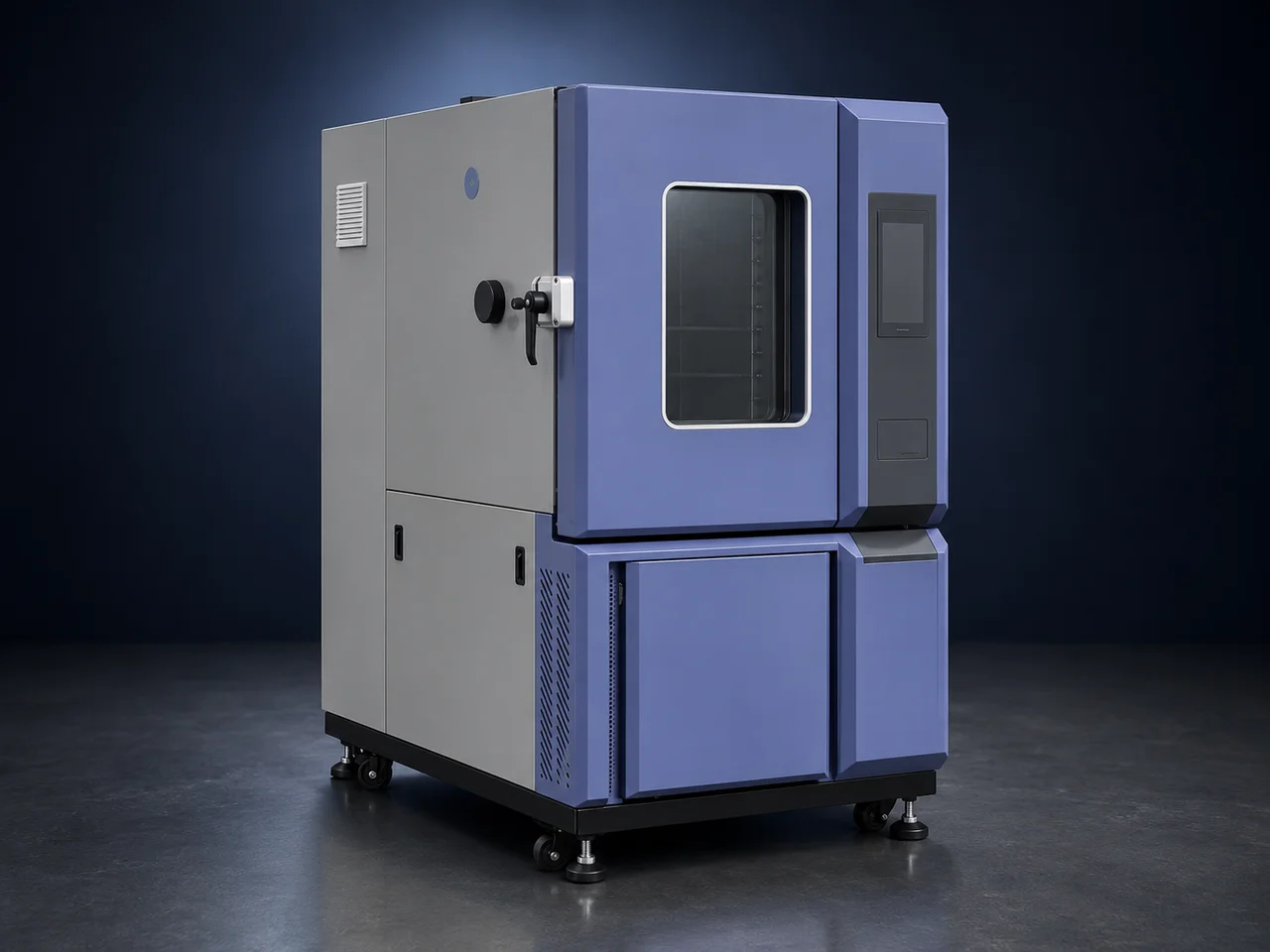
- Preparation: The device to be tested is placed in a temperature and humidity-controlled climate chamber.
- Humidity Cycle: The device is tested for at least 10 days at 95% relative humidity.
- Temperature Variation: Humidity tests are typically conducted at temperatures ranging from +25°C to +55°C.
- Condensation Effect: The device undergoes heating and cooling cycles to evaluate the effects of condensation.
- Performance Evaluation: After the test, the functionality of the device is checked, and any abnormalities are observed.
Applications of the Test
The DO-160 Humidity Test is applied to the following equipment:
- Aerospace electronics (avionic systems)
- Communication devices
- In-flight control and monitoring systems
- Radar and navigation systems
Results of the DO-160 Humidity Test
The test result determines whether the device can operate in a humid environment. Effects such as corrosion, insulation failures, and material degradation are analyzed. Successfully passing the test indicates that the device can reliably operate in humid conditions.
Conclusion
The Humidity Test conducted under DO-160 Section 6 is critical for ensuring the safety of aerospace electronics and other essential equipment. This test guarantees that devices will have a long lifespan under high humidity conditions.
Standard reference
RTCA DO-160 Section 6 defines the Humidity test. Category A is a standard humidity sequence; Category B is a more severe (tropical/“humid”) exposure for equipment expected to encounter prolonged high humidity. The test runs temperature/humidity cycles so that condensation and absorption effects on the equipment can be evaluated. The category, number of cycles and recovery conditions are taken from the equipment’s environmental category.
Standards
& methods.
ULMEKA engineers test systems
to specification.
If your requirement is outside this catalogue — custom chamber sizes, combined-standard integration, or tailored test profiles — talk to our engineering team.
Related
systems.
VIEW FULL CATALOGUE →