MIL-STD-810H
MIL-STD-810H High Temperature (Method 501.7) Test Machine.
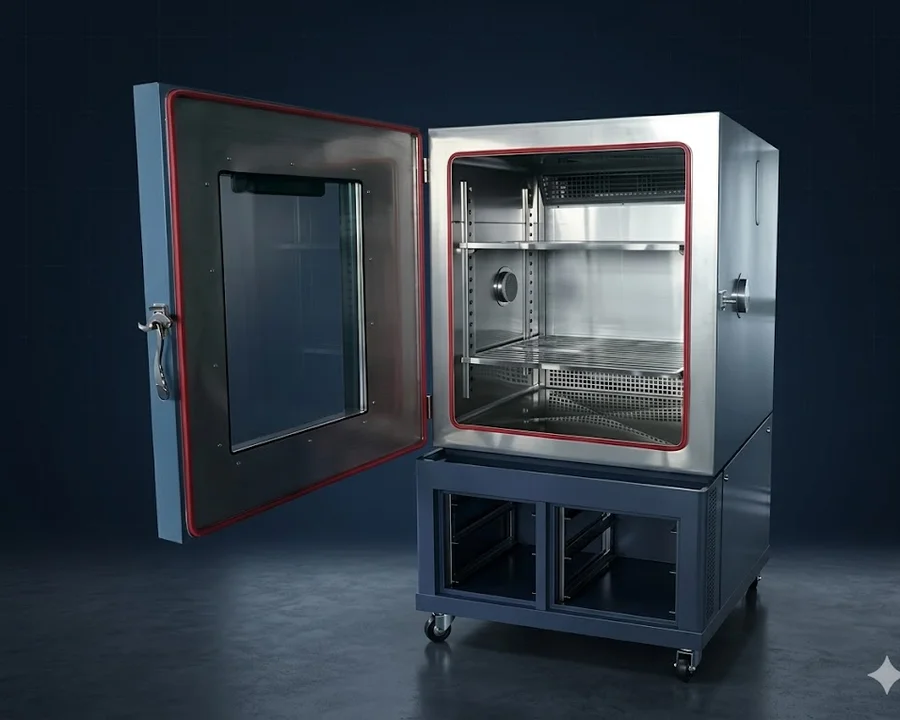
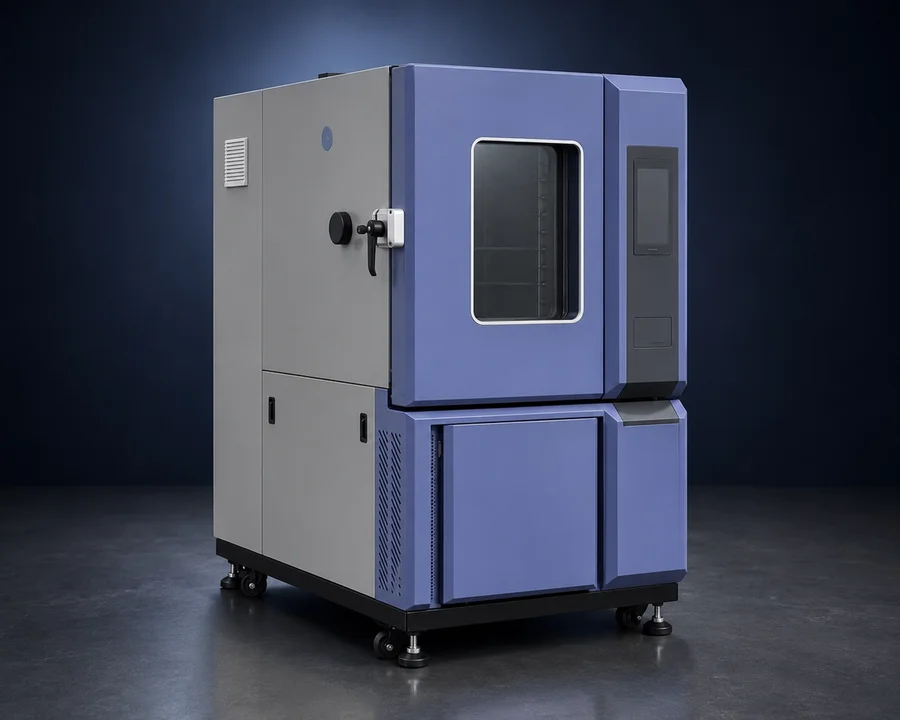
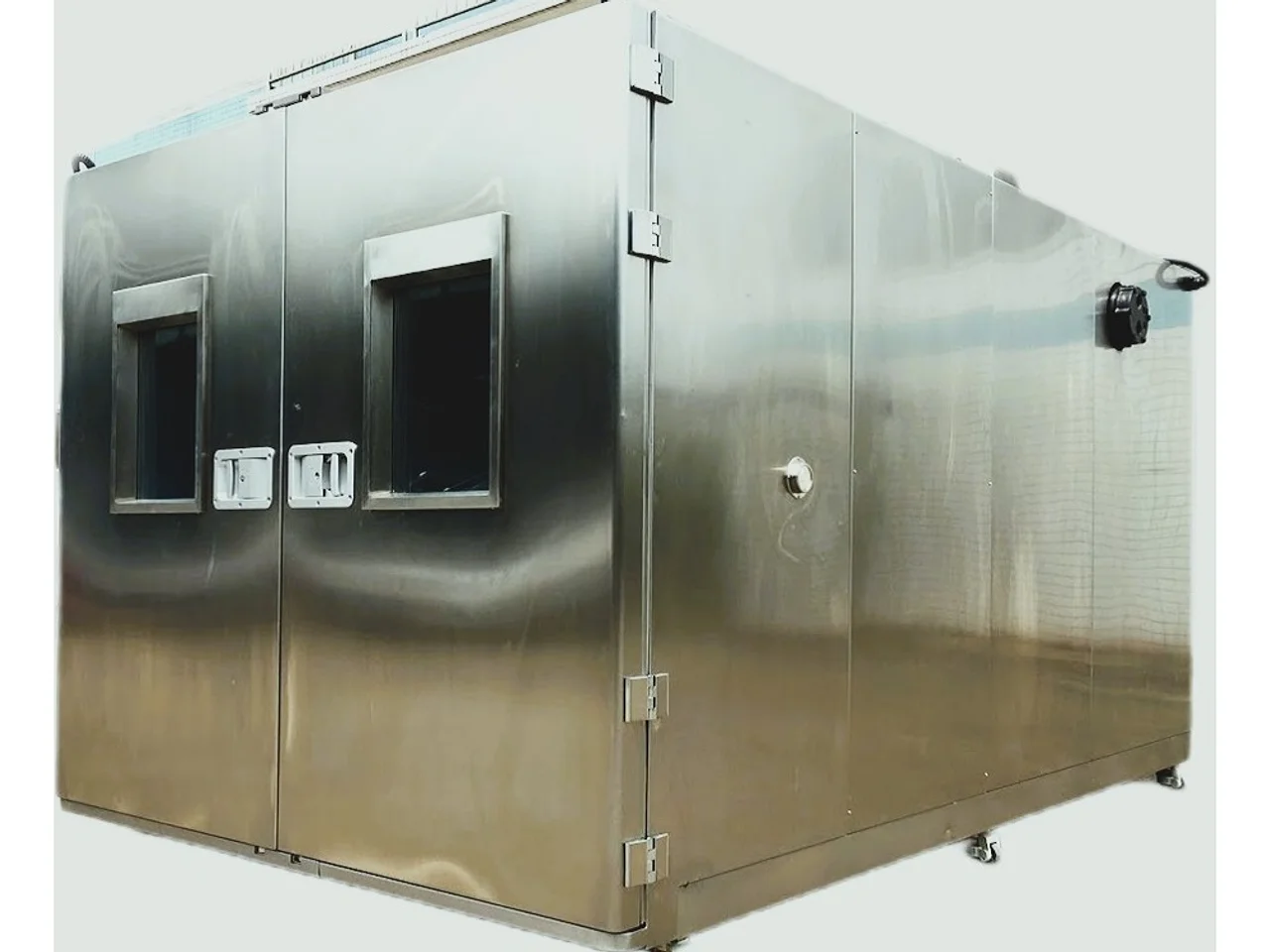
MIL-STD-810H (Method 501.7) High Temperature MIL-STD-810G (Method 501.5)Test Machine The MIL-STD-810H (Method 501.7) High Temperature Test Machine is designed to
MIL-STD-810H (Method 501.7) High Temperature
MIL-STD-810G (Method 501.5)Test Machine
The MIL-STD-810H (Method 501.7) High Temperature Test Machine is designed to assess the reliability of a device under high-temperature conditions. This test simulates the effects of temperature increases on electronic components and evaluates the device’s durability in such environments.
1. Scope
1.1 Purpose:
This test is used to evaluate the effects of high temperature conditions on material safety, integrity, and performance.
1.2 Application:
This method is suitable for evaluating materials that are likely to be exposed to temperatures higher than standard ambient temperatures.
1.3 Limitations:
This test method is not suitable for evaluating aging effects due to long-term (years-long) exposure to high temperatures. Additionally, it is generally not recommended for the following situations:
- For materials directly exposed to solar radiation (Method 505.7, Procedure I should be used).
- For the evaluation of photochemical (actinic) effects (Method 505.7, Procedure II should be used).
- For the evaluation of aerodynamic heating effects.
2. Test Tailoring Guidance
2.1 Selecting this method
Requirement documents should be reviewed to determine whether high-temperature exposure is expected in the material’s life cycle.
2.1.1 Effects of high-temperature environments
- Compression of parts due to differential expansion of materials with different thermal expansion coefficients.
- Decreased fluidity and loss of lubricants.
- Dimensional changes in materials.
- Deformation of seals, gaskets, and bearings.
- Electronic circuit stability being affected by temperature variations.
- Changes in resistance values.
- Degradation of adhesives and cracking of organic materials.
- Increased pressure in sealed containers.
- Expansion or accelerated combustion of explosive and propellant materials.
2.1.2 Sequencing with other test methods
This test can be applied together with Method 505.7 (Solar Radiation Test) to provide a more realistic assessment of real-world conditions.
2.2 Test procedure selection
This method includes three different test procedures:
- Procedure I – Storage: Evaluates the effects of long-term storage at high temperatures on the material.
- Procedure II – Operation: Evaluates the effects of high ambient temperatures on materials while in operation.
- Procedure III – Tactical Standby – Operation: Evaluates the operability of materials stored in enclosed compartments exposed to solar radiation.
2.3 Determining test levels and conditions
- Climatic conditions: The material should be tested under real field conditions.
- Exposure duration: Continuous or cyclic temperature exposure should be determined.
- Material configuration: The real-world positioning of the material during storage and operation should be evaluated.
3. Information Required
3.1 Pre-test preparations
- Need for humidity control (if applicable).
- Temperature measurement points and sensor locations.
- Maximum storage temperature and ambient temperature.
3.2 Data to be collected during the test
- Temperature-time records of the test chamber.
- Temperature-time data of the tested material.
3.3 Post-test data
- Recorded temperature variations during the test.
- Visual inspection results.
- Operational status and functionality of the tested material.
4. Test Process
4.1 Test Facility and Equipment
- A temperature chamber or cabinet should be designed to maintain the surrounding air temperature of the material at the specified level.
- Airflow should be adjusted to match real environmental conditions for the tested material.
4.2 Test Controls
- The rate of temperature change should not exceed 3°C per minute.
- During testing, temperature deviation should not exceed 2°C.
4.3 Test Interruptions
- Test chamber failure: If the test is interrupted, the material should be returned to the last successfully completed temperature level before resuming the test.
- Material failure: If the test item fails, the test should be restarted from the beginning with a new specimen.
4.4 Test Implementation Procedures
- Procedure I – Storage: Evaluates the effects of storage at high temperatures on the material.
- Procedure II – Operation: Tests the material’s ability to function under high temperature conditions.
- Procedure III – Tactical Standby – Operation: Assesses the transition of materials exposed to solar radiation into operational status.
5. Analysis of Results
Test results are analyzed based on the following:
- Physical damage: Cracks, deformations, loss of sealing.
- Functional degradation: Failures in electrical or mechanical components.
- Chemical effects: Changes in material composition.
- Special requirements: Additional analyses should be conducted for materials that must operate under specific temperature conditions.
6. References and Related Documents
- MIL-STD-810H
- NATO STANAG 4370, AECTP 230 (Climatic Conditions)
- MIL-HDBK-310 (Global Climatic Data)
Key Features
Feature Value / Description Temperature Range From +55°C to +85°C Test Duration Between 24 hours and 1000 hours Temperature Change Rate 10°C per hour Test Method Utilizes a hot air chamber Test Result Evaluates the reliability and longevity of devices at high temperatures
Application Areas
- Electronics: Devices with or without cooling mechanisms operating under high temperatures.
- Military Equipment: Vehicles and devices operating in high-temperature environments.
Advantages
- Assesses the performance of electronic components under extreme temperatures.
- Tests the device’s resistance to long-term temperature changes.
For more information about MIL-STD-810H (Method 501.7) and to place an order, please contact us!
Standard reference
MIL-STD-810H Method 501.7 defines High-Temperature procedures: Procedure I — Storage and Procedure II — Operation. The temperature levels and diurnal cycles are taken from the climatic category of the deployment region; the item may be tested at constant or cycling high temperature.
Стандарты
и методы.
ULMEKA проектирует испытательные системы
по техническому заданию.
Если ваше требование выходит за рамки этого каталога — нестандартные размеры камер, интеграция комбинированных стандартов или индивидуальные профили испытаний — обратитесь к нашей инженерной команде.
Связанные
системы.
СМОТРЕТЬ ПОЛНЫЙ КАТАЛОГ →