
MIL-STD-810H Test Methods and Tailoring — Choosing Method, Procedure and Severity.
MIL-STD-810 is the United States defence standard for environmental engineering considerations and laboratory tests, currently in revision H. Most engineers meet it as a list of method numbers — 501 for high temperature, 514 for vibration, 516 for shock — and read it the way you would a parts catalogue: find the row that matches the stress you have in mind, read off the test, run it. That habit gets the standard backwards. MIL-STD-810 is a process for tailoring environmental tests to a particular product's life-cycle environmental profile. The methods are the instruments that process selects; they are not the starting point, and they are not a menu to be ordered from.
The standard never tells you, on its own authority, that your equipment must pass Method 514 at some fixed level. It tells you how to work out which environments the product will actually meet — from where it is made, stored, shipped, deployed and used — and only then which methods and procedures apply, and at what severities. Two units both running Method 506 can end up with quite different procedures and severities because their service lives differ: the rain a vehicle-mounted box sees on a flatbed at speed is not the rain a man-packed radio meets in use. Picked from a list, Method 506 is one test. Derived from a service life, it is whichever of its procedures that life contains. This article is an orientation to that process and to the Method 5xx series it drives, written for design and quality engineers rather than test-house staff.
How the standard is organised
MIL-STD-810H is built in three parts, and the order is deliberate. Part One covers management and the tailoring process: how to build a life-cycle environmental profile, how to derive test requirements from it, and how to record the reasoning behind them. Part Two holds the laboratory test methods — the Method 5xx series, the part most engineers think of as the standard. Part Three gives climatic-region and world-climate guidance, the background data that informs realistic severities for a given theatre of use.
Part One is the part most often skipped, and skipping it is what turns the standard back into a catalogue. The methods in Part Two are tools; Part One is the reasoning that decides which tool to pick up and how hard to push it. A test plan that opens with a string of method numbers, but no life-cycle profile behind them, has produced the visible deliverable without the analysis that justifies it. When a reviewer asks why Method 514 was selected at a particular level and the only answer is that it appeared on a previous programme, the tailoring has not been done.
Reading the notation
The numbering trips people up because two independent revisions hide in one citation. The suffix on the standard — the H in MIL-STD-810H — is the revision of the whole document. The number after a method — the .6 in Method 506.6 — is the revision of that individual method, so 506.6 is the sixth revision of the rain method as it appears in the current standard. The two move on separate clocks: a method can be updated across editions, and a contract may invoke a specific revision of each. When a programme calls out a method, confirm both numbers, because a method revision can change procedures and conditions while the title stays the same.
The Method 5xx series
Part Two is the body of laboratory methods, each identified by a number in the 500s. The titles below are the public method names. The procedures and severities under each are what tailoring selects against the life-cycle profile, and they are not reproduced here. The three groupings that follow are an aid to reading, not a division stated in the standard.
Pressure, temperature and solar
- 500 — Low Pressure (Altitude). Reduced atmospheric pressure, for storage, transport and operation at altitude.
- 501 — High Temperature. Elevated-temperature exposure and operation.
- 502 — Low Temperature. Cold exposure and operation.
- 503 — Temperature Shock. Rapid transition between temperature extremes.
- 505 — Solar Radiation (Sunshine). Solar loading, covering both the heating and the actinic effects.
- 520 — Combined Environments. Temperature, humidity, vibration and altitude applied together rather than one at a time.
- 523 — Vibro-Acoustic/Temperature. Combined vibration, acoustic and temperature exposure.
Water, humidity and contaminants
- 504 — Contamination by Fluids. Exposure to the fluids a product meets in service.
- 506 — Rain. Its separate procedures are blowing rain, exaggerated, and drip.
- 507 — Humidity. Warm, humid exposure and the degradation it brings.
- 508 — Fungus. Susceptibility to fungal growth.
- 509 — Salt Fog. Salt-laden atmosphere for corrosion assessment.
- 510 — Sand and Dust. Blowing sand and fine dust.
- 511 — Explosive Atmosphere. Operation within a potentially explosive atmosphere.
- 512 — Immersion. Submersion in water.
- 518 — Acidic Atmosphere. Exposure to an acidic atmospheric environment.
- 521 — Icing/Freezing Rain. Ice accretion and freezing rain.
The dynamic and mechanical methods
- 513 — Acceleration. Sustained acceleration loads.
- 514 — Vibration. Operational and transport vibration.
- 515 — Acoustic Noise. Acoustic exposure.
- 516 — Shock. Mechanical shock, with functional, transit-drop, crash-hazard and bench-handling among its procedures.
- 517 — Pyroshock. Shock from pyrotechnic events.
- 519 — Gunfire Shock. Shock from gunfire.
- 522 — Ballistic Shock. Ballistic shock.
- 525 — Time Waveform Replication. Reproduction of a measured field time-history.
- 527 — Multi-Exciter. Vibration applied through multiple exciters.
- 528 — Mechanical Vibrations of Shipboard Equipment. The vibration environment of shipboard installation.
Methods, procedures and severity
The structure underneath a method matters as much as the method number, and this is where tailoring actually happens. Each method contains several procedures, and they are not interchangeable. Method 506 (Rain) offers a blowing-rain procedure, an exaggerated procedure and a drip procedure — three different physical situations, each standing in for a different slice of the life-cycle profile. Method 516 (Shock) likewise separates functional shock, transit drop, crash hazard and bench handling. Choosing the method is only the first decision; the procedure within it, and then the severity for that procedure, are what decide whether the test reflects the product's real history.
For an engineer scoping a programme, three choices sit under almost every line of cost and schedule.
- Method selection. Which environments the product meets over its life — manufacture, storage, transport, deployment, operation, retirement — determines which 5xx methods apply. That comes from the life-cycle profile, not from working down the method list and pulling in everything that might conceivably matter.
- Procedure selection. Within a method, the procedure has to match the situation being represented. Blowing rain and drip are different exposures; transit drop and functional shock are different events. Choose the wrong one and a clean pass proves little, because the stress applied was not the stress the product faces in the field.
- Severity selection. How hard, how long, how many times: the level and duration should reflect the real environment, informed by the climatic guidance in Part Three. Over-specify and you pay for chamber and rig time, and risk failing a unit on stresses it will never see; under-specify and the qualification does not represent service.
The division of labour with neighbouring standards
MIL-STD-810 does not stand alone, and knowing where its edges lie keeps a single requirement from being run as several separate campaigns.
The closest relationship is with IEC 60068-2, the international series of environmental test methods. Some MIL-STD-810 methods align with IEC 60068-2 procedures, sharing the same underlying physics for stresses such as temperature, humidity, vibration and shock. The two differ in tailoring philosophy — 810 builds everything around the life-cycle profile — but where a method and a 60068-2 procedure coincide, a product answering to both can often be covered by a single, suitably configured chamber or shaker run rather than two separate ones.
RTCA DO-160 is the avionics counterpart, the environmental document an aircraft-equipment programme is more likely to invoke than MIL-STD-810. It covers much the same family of climatic and mechanical environments. The two overlap heavily in subject matter while differing in structure and in how requirements are assigned, so a product crossing between defence and civil-aircraft work may meet both names for what is, physically, the same exposure.
The boundary that catches people most often is electromagnetics. MIL-STD-810 covers the physical environment and stops there; it says nothing about electromagnetic interference or compatibility. EMC is a separate document, MIL-STD-461. The two answer different questions about the same equipment — whether it survives its physical environment, and whether it behaves electromagnetically — and a qualification campaign that needs both is reading from two standards, not one.
Planning notes for programme engineers
- Start with the profile, not the method list. Build the life-cycle environmental profile first and let it select the methods. A plan that opens with a list of 5xx numbers has usually skipped the step that justifies them.
- Confirm both revision numbers. The standard revision (810H) and each method revision (such as 506.6) are independent, and a contract may pin specific values of each. Read both before planning anything.
- Pick the procedure deliberately. The procedure within a method is a tailoring decision in its own right; the wrong one yields a test that passes without proving what the programme needs.
- Sequence and combine on purpose. Where several methods apply, the order — and whether environments run separately or together under a method such as 520 — changes the failure modes you see. That belongs in the plan, not in an afterthought.
- Decide early which documents govern. Whether a programme runs MIL-STD-810, DO-160, IEC 60068-2 or some mix, and where MIL-STD-461 EMC sits alongside, is a contract question best settled before any specimen reaches a chamber.
Where ULMEKA fits
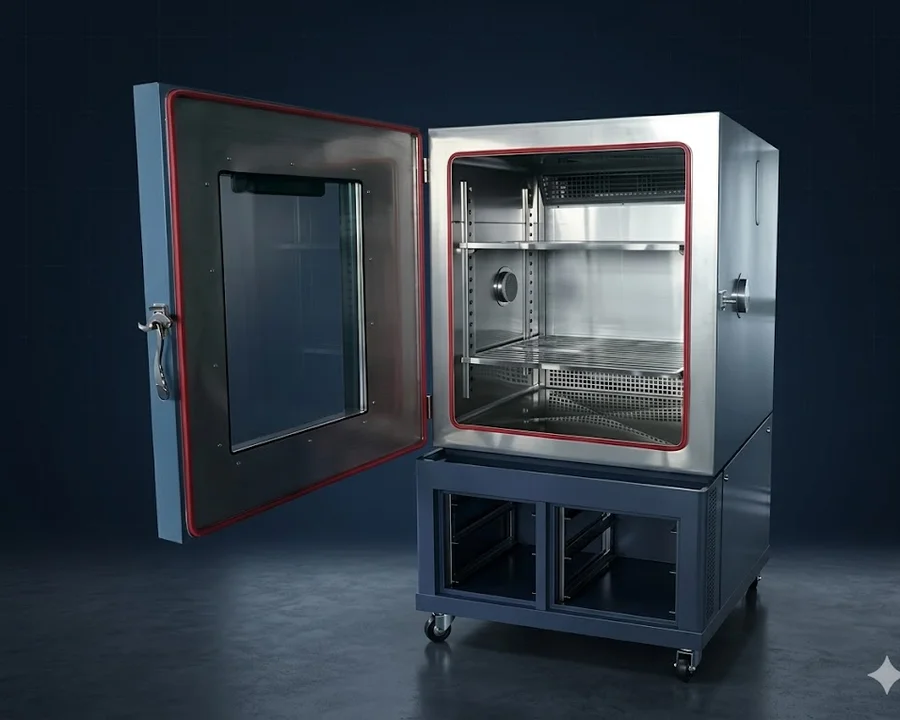
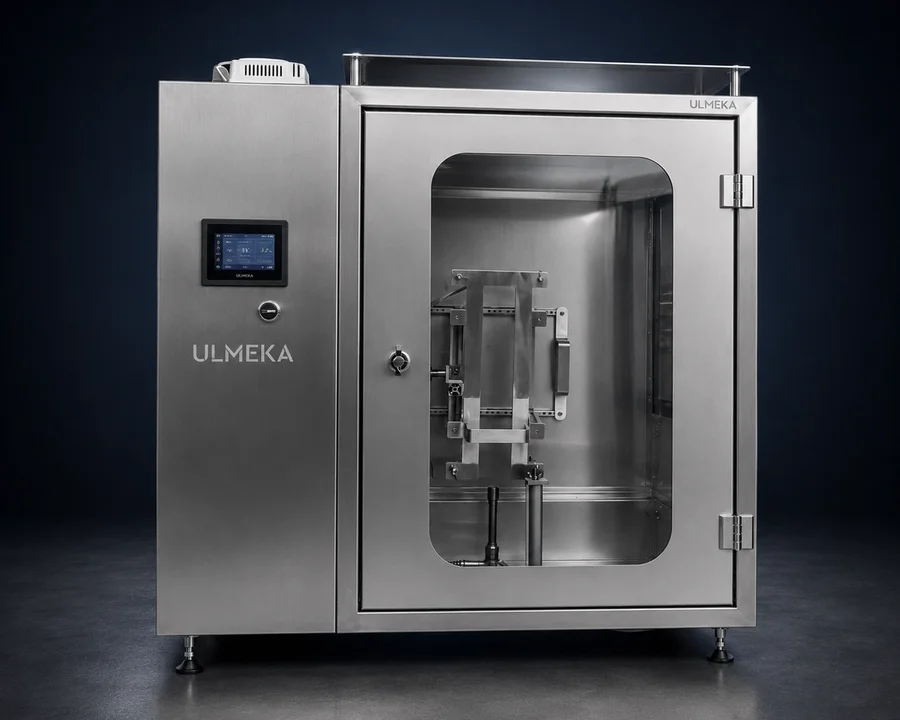
ULMEKA designs and manufactures the climatic and ingress-adjacent test systems behind many of these methods: rain (506), humidity (507), high and low temperature (501 and 502), temperature shock (503), salt fog (509), sand and dust (510), solar radiation (505), immersion (512), low pressure and altitude (500), and icing (521). These are built as standalone rigs or as combined climatic systems that carry several of the environments in one machine. The dynamic and mechanical methods — vibration (514), shock (516), acceleration (513) and the pyroshock, gunfire and ballistic-shock family — run on dedicated shaker and centrifuge systems; we reference them here because they belong in the same tailored test plans, not because they are part of our build. The standard describes the methods, and the tailoring process decides which ones a programme needs; what a particular system requires, from chamber size to the exact procedures and severities, is settled at the quotation stage against the life-cycle profile and the standard revision the programme actually invokes.
Related test systems.
Test Systems →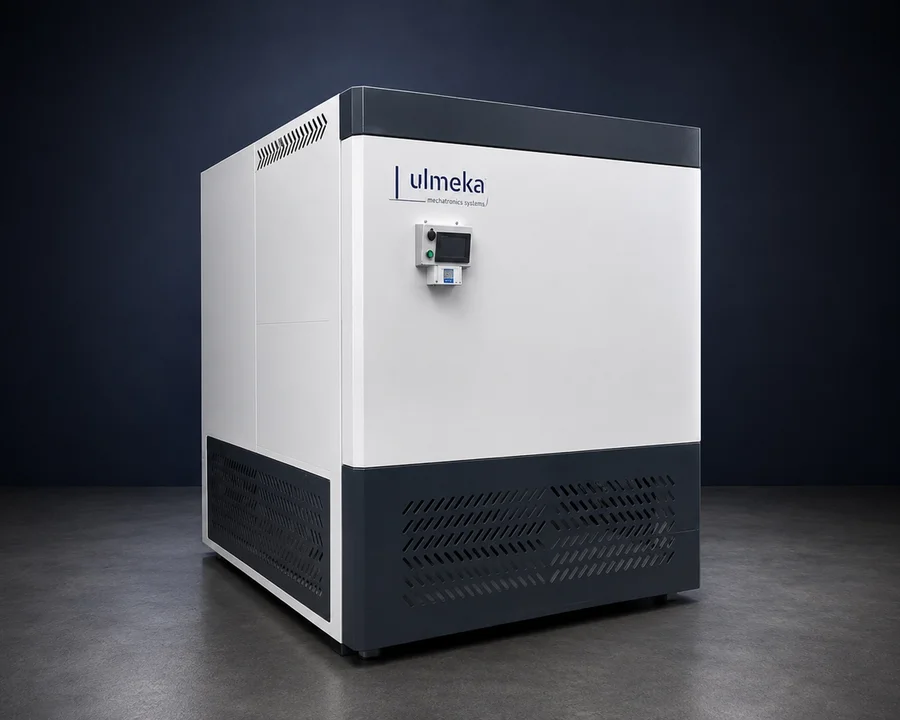
Frequently asked questions.
Is MIL-STD-810 a catalogue of pass/fail tests?
No. MIL-STD-810 is a process for tailoring environmental tests to a particular product's life-cycle environmental profile, not a catalogue of fixed pass/fail tests to be picked off a list. It tells you how to work out, from where the product is made, stored, shipped, deployed and used, which environments it will actually meet, and only then which methods, which procedures within those methods, and what severities represent that history. The methods are the instruments the tailoring process selects rather than the starting point.
How is MIL-STD-810H organised?
MIL-STD-810H is built in three parts. Part One covers management and the tailoring process: building a life-cycle environmental profile, deriving test requirements from it, and recording the reasoning. Part Two holds the laboratory test methods, the Method 5xx series that most engineers think of as the standard. Part Three gives climatic-region and world-climate guidance, the background data that informs realistic severities for a given theatre of use. Part One is the part most often skipped, and skipping it is what turns the standard back into a catalogue.
What does the notation 506.6 mean in MIL-STD-810H?
Two independent revisions hide in one citation. The suffix on the standard, the H in MIL-STD-810H, is the revision of the whole document. The number after a method, the .6 in Method 506.6, is the revision of that individual method, so 506.6 is the sixth revision of the rain method as it appears in the current standard. The two move on separate clocks, so when a programme calls out a method you should confirm both numbers, because a method revision can change procedures and conditions while the title stays the same.
What is the difference between selecting a method, a procedure and a severity?
Method selection follows from the life-cycle environmental profile and decides which 5xx methods apply. Within a method there are several procedures that are not interchangeable, such as the blowing-rain, exaggerated and drip procedures of Method 506 or the functional, transit-drop, crash-hazard and bench-handling procedures of Method 516, and the procedure has to match the situation being represented. Severity is the level, duration and number of applications, which should reflect the real environment and is informed by the climatic guidance in Part Three. The wrong procedure or severity can give a clean pass that proves little.
How does MIL-STD-810 relate to IEC 60068-2, DO-160 and MIL-STD-461?
Some MIL-STD-810 methods align with IEC 60068-2 procedures, sharing the same underlying physics for stresses such as temperature, humidity, vibration and shock, so where a method and a 60068-2 procedure coincide a product answering to both can often be covered in one suitably configured run. RTCA DO-160 is the avionics counterpart, covering much the same climatic and mechanical environments and more likely to be invoked by an aircraft-equipment programme. MIL-STD-461 is a separate document covering electromagnetic interference and compatibility, which MIL-STD-810 does not address; a campaign needing both is reading from two standards.
Which MIL-STD-810 methods does ULMEKA build test systems for?
ULMEKA designs and manufactures the climatic and ingress-adjacent test systems behind many of these methods: rain (506), humidity (507), high and low temperature (501 and 502), temperature shock (503), salt fog (509), sand and dust (510), solar radiation (505), immersion (512), low pressure and altitude (500), and icing (521), built as standalone rigs or combined climatic systems. The dynamic and mechanical methods such as vibration (514), shock (516), acceleration (513) and the pyroshock, gunfire and ballistic-shock family run on dedicated shaker and centrifuge systems, which we reference because they belong in the same tailored test plans rather than because they are part of our build.
ULMEKA engineers test systems
to specification.
If your requirement is outside this catalogue — custom chamber sizes, combined-standard integration, or tailored test profiles — talk to our engineering team.