All Categories
  • IP Test Equipment
  • Devices According to Standards
  • Environmental Test Chambers
    • Walk-In Test Rooms
    • MIL STD 810H Tests
    • DO-160 Standard Test Equipment
    • Test Chambers
  • Test Equipment
    • Tapware and Faucet Test Devices
    • Solar Panel Test Devices
    • Vertical Combustion Test Device
    • RTCA DO-160
  • Test Probes
  • Custom Machine Manufacturing
  • Machine Automation
  • Tapware and Faucet Test Devices
  • Solar Panel Test Devices
  • Laboratory Devices
  • Show All Devices
  • Articles
Select category
  • Select category
  • Environmental Test Chambers
    • MIL STD Tests
    • Test Chambers
    • Walk-In Test Rooms
  • IP Test Equipment
  • Standards
    • DIN 75200
    • DO-160
    • EN 10218
    • EN 12390
    • EN 60045 / IEC 60045
    • EN 60065 / IEC 60065
    • EN 60068 / IEC 60068
    • EN 60112 / IEC 60112
    • EN 60238 / IEC 60238
    • EN 60320 / IEC 60320
    • EN 60335 / IEC 60335
    • EN 60400 / IEC 60400
    • EN 60529 / IEC 60529
    • EN 60598 / IEC 60598
    • EN 60601 / IEC 60601
    • EN 60669 / IEC 60669
    • EN 60695 / IEC 60695
    • EN 60730 / IEC 60730
    • EN 60742 / IEC 60742
    • EN 60745 / IEC 60745
    • EN 60851 / IEC 60851
    • EN 60881 / IEC 60881
    • EN 60884 / IEC 60884
    • EN 60950/ IEC 60950
    • EN 60968 / IEC 60968
    • EN 61029/ IEC 61029
    • EN 61032 / IEC 61032
    • EN 61050 / IEC 61050
    • EN 61058 / IEC 61058
    • EN 62115 / IEC 62115
    • EN 62196 / IEC 62196
    • EN 62262 / IEC 62262
    • EN 62368 / IEC 62368
    • EN 69745 / IEC 69745
    • EN200
    • EN817
    • IEC 60968
    • IEC-68
    • ISO-7137
    • Laboratory Devices
      • Incubators
      • Microbiological Safety Cabinets
    • Mil-STD 810 H
    • TS EN 61386
  • Test Equipment
    • Solar Panel Test Equipment
    • Tapware and Faucet Test Devices
  • Test Probes
[email protected]
  • English English
    • Türkçe Türkçe
Menu
  • English English
    • Türkçe Türkçe
All Categories
  • IP Test Equipment
  • Environmental Test Chambers
    • Walk-In Test Rooms
    • MIL STD Tests
    • DO-160 Standard Test Equipment
    • Test Chambers
  • Test Probes
  • Custom Machine Manufacturing
  • Device According to Standard
  • Machine Automation
Click to enlarge
Home Environmental Test Chambers MIL STD Tests MIL-STD-810H High Temperature (Method 501.7) Test Machine
MIL-STD-810H Dust and Sand (Method 510.7) Test Machine
Back to products
MIL-STD-810H Temperature Shock (Method 503.7) Test Machine

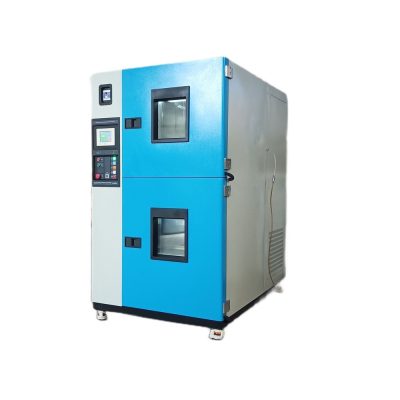
MIL-STD-810H High Temperature (Method 501.7) Test Machine

12 People watching this product now!
SKU: ULM-MILHT Categories: Environmental Test Chambers, MIL STD Tests, Mil-STD 810 H
Share:
  • Description
  • Shipping & Delivery
Description

MIL-STD-810H (Method 501.7) High Temperature

MIL-STD-810G (Method 501.5)Test Machine

The MIL-STD-810H (Method 501.7) High Temperature Test Machine is designed to assess the reliability of a device under high-temperature conditions. This test simulates the effects of temperature increases on electronic components and evaluates the device’s durability in such environments.


1. Scope

1.1 Purpose:

This test is used to evaluate the effects of high temperature conditions on material safety, integrity, and performance.

1.2 Application:

This method is suitable for evaluating materials that are likely to be exposed to temperatures higher than standard ambient temperatures.

1.3 Limitations:

This test method is not suitable for evaluating aging effects due to long-term (years-long) exposure to high temperatures. Additionally, it is generally not recommended for the following situations:

  • For materials directly exposed to solar radiation (Method 505.7, Procedure I should be used).
  • For the evaluation of photochemical (actinic) effects (Method 505.7, Procedure II should be used).
  • For the evaluation of aerodynamic heating effects.

2. Test Tailoring Guidance

2.1 Selecting this method

Requirement documents should be reviewed to determine whether high-temperature exposure is expected in the material’s life cycle.

2.1.1 Effects of high-temperature environments

  • Compression of parts due to differential expansion of materials with different thermal expansion coefficients.
  • Decreased fluidity and loss of lubricants.
  • Dimensional changes in materials.
  • Deformation of seals, gaskets, and bearings.
  • Electronic circuit stability being affected by temperature variations.
  • Changes in resistance values.
  • Degradation of adhesives and cracking of organic materials.
  • Increased pressure in sealed containers.
  • Expansion or accelerated combustion of explosive and propellant materials.

2.1.2 Sequencing with other test methods

This test can be applied together with Method 505.7 (Solar Radiation Test) to provide a more realistic assessment of real-world conditions.

2.2 Test procedure selection

This method includes three different test procedures:

  1. Procedure I – Storage: Evaluates the effects of long-term storage at high temperatures on the material.
  2. Procedure II – Operation: Evaluates the effects of high ambient temperatures on materials while in operation.
  3. Procedure III – Tactical Standby – Operation: Evaluates the operability of materials stored in enclosed compartments exposed to solar radiation.

2.3 Determining test levels and conditions

  • Climatic conditions: The material should be tested under real field conditions.
  • Exposure duration: Continuous or cyclic temperature exposure should be determined.
  • Material configuration: The real-world positioning of the material during storage and operation should be evaluated.

3. Information Required

3.1 Pre-test preparations

  • Need for humidity control (if applicable).
  • Temperature measurement points and sensor locations.
  • Maximum storage temperature and ambient temperature.

3.2 Data to be collected during the test

  • Temperature-time records of the test chamber.
  • Temperature-time data of the tested material.

3.3 Post-test data

  • Recorded temperature variations during the test.
  • Visual inspection results.
  • Operational status and functionality of the tested material.

4. Test Process

4.1 Test Facility and Equipment

  • A temperature chamber or cabinet should be designed to maintain the surrounding air temperature of the material at the specified level.
  • Airflow should be adjusted to match real environmental conditions for the tested material.

4.2 Test Controls

  • The rate of temperature change should not exceed 3°C per minute.
  • During testing, temperature deviation should not exceed 2°C.

4.3 Test Interruptions

  • Test chamber failure: If the test is interrupted, the material should be returned to the last successfully completed temperature level before resuming the test.
  • Material failure: If the test item fails, the test should be restarted from the beginning with a new specimen.

4.4 Test Implementation Procedures

  • Procedure I – Storage: Evaluates the effects of storage at high temperatures on the material.
  • Procedure II – Operation: Tests the material’s ability to function under high temperature conditions.
  • Procedure III – Tactical Standby – Operation: Assesses the transition of materials exposed to solar radiation into operational status.

5. Analysis of Results

Test results are analyzed based on the following:

  • Physical damage: Cracks, deformations, loss of sealing.
  • Functional degradation: Failures in electrical or mechanical components.
  • Chemical effects: Changes in material composition.
  • Special requirements: Additional analyses should be conducted for materials that must operate under specific temperature conditions.

6. References and Related Documents

  • MIL-STD-810H
  • NATO STANAG 4370, AECTP 230 (Climatic Conditions)
  • MIL-HDBK-310 (Global Climatic Data)

Key Features

FeatureValue / Description
Temperature RangeFrom +55°C to +85°C
Test DurationBetween 24 hours and 1000 hours
Temperature Change Rate10°C per hour
Test MethodUtilizes a hot air chamber
Test ResultEvaluates the reliability and longevity of devices at high temperatures

Application Areas

  • Electronics: Devices with or without cooling mechanisms operating under high temperatures.
  • Military Equipment: Vehicles and devices operating in high-temperature environments.

Advantages

  • Assesses the performance of electronic components under extreme temperatures.
  • Tests the device’s resistance to long-term temperature changes.

For more information about MIL-STD-810H (Method 501.7) and to place an order, please contact us!

Shipping & Delivery

Related products

Quick view

MIL-STD-810H Salt Fog (Method 509.7) Test Machine

Environmental Test Chambers, MIL STD Tests, Mil-STD 810 H

In stock

SKU: ULM-MILSFT
Quick view

MIL-STD-810H Shock (Method 516.8) Test Machine

Environmental Test Chambers, MIL STD Tests, Mil-STD 810 H

In stock

SKU: ULM-MILSH
Quick view

Climatic Test Chambers

Environmental Test Chambers, MIL STD Tests, Mil-STD 810 H, Walk-In Test Rooms

In stock

SKU: ULM-CLWA
Testing Procedures

a. Procedure I – Rain and Blowing Rain, b. Procedure II – Exaggerated, c. Procedure III – Drip, Combinated

Standarts

IEC 60068 (60068-2-1, 60068-2-2, 60068-2-30)

IEC 61300

EN 60068

EN 60529

UL 94

UL 746C

TSE EN 60068

TSE EN ISO 6270

TS EN 50581

Quick view

MIL-STD-810H Rain (Method 506.6) Test Chamber

Environmental Test Chambers, MIL STD Tests, Mil-STD 810 H, Test Chambers

In stock

SKU: ULM-RATE
Working Dimensions
Test Procedure

a. Procedure I – Rain and Blowing Rain, b. Procedure II – Exaggerated, c. Procedure III – Drip, Combinated

Quick view

IPX3 – IPX4 (Oscillating Tube Tester) – IPX9K Protection Tests

EN 60065 / IEC 60065, EN 60529 / IEC 60529, Environmental Test Chambers, Test Chambers, IP Test Equipment

In stock

SKU: ULM-ip-1
Working Dimensions

40′ x 40′ x 40′ (Inches) / 100cm x 100cm x 100cm, 60′ x 60′ x 60′ (Inches) / 150cm x 150cm x 150cm

Quick view

IPX5 and IPX6 Dust Test Chambers

EN 60068 / IEC 60068, EN 60529 / IEC 60529, Environmental Test Chambers, Test Chambers, IP Test Equipment

In stock

SKU: ULM-DUST
Working Dimensions
Quick view

MIL-STD-810H Humidity (Method 507.6) Test Machine

Environmental Test Chambers, MIL STD Tests, Mil-STD 810 H

In stock

SKU: ULM-MILHTD
Quick view

MIL-STD-810H Dust and Sand (Method 510.7) Test Machine

Environmental Test Chambers, MIL STD Tests, Mil-STD 810 H

In stock

SKU: ULM-MILSAD
Teknik Özellikler

Toz Çözeltisi Oranı %5 – (anahtar toz türleri için)

Kum Tanesi Boyutu 150 µm – 500 µm (genellikle kumlu ortamlara uygun)

Sıcaklık Kontrol Aralığı -40°C – +60°C arası (farklı ortam koşullarına uyum sağlayabilme)

Hava Akışı 28 m/s – 56 m/s (toz ve kumun etkili şekilde püskürtülmesi)

Test Süresi 1 saat – 1000 saat arası (programlanabilir test döngüleri)

Kabin Hacmi 50 L – 1000 L (cihaz tipine ve boyutlarına göre farklı seçenekler)

Kontrol Sistemi PLC tabanlı, dokunmatik ekranlı tam otomatik kontrol

Malzeme Paslanmaz çelik ve korozyona dayanıklı plastik malzemeler

Ulmeka United Kingdom

ULMEKA MECHATRONICS AND CONSULTANCY LTD

86-90 Paul Street / 3rd Floor London EC2A4NE, UNITED KINGDOM

+447407223569

[email protected]

Ulmeka Türkiye

ULMEKA MEKATRONİK MÜHENDİSLİK SANAYİ İÇ VE DIŞ TİCARET LİMİTED ŞİRKETİ

1452. Sk. no:37, 06374 İvedik Osb / Yenimahalle / Ankara, TURKEY

+903123854007

[email protected]

© 2026 Ulmeka Mechatronics. All rights reserved

  • IP Test Equipment
  • Devices According to Standards
  • Environmental Test Chambers
    • Walk-In Test Rooms
    • MIL STD 810H Tests
    • DO-160 Standard Test Equipment
    • Test Chambers
      • Vertical Combustion Test Device
      • RTCA DO-160
  • Probe Gauge Probes
  • Custom Machine Manufacturing
  • Machine Automation
  • Tapware and Faucet Test Devices
  • Solar Panel Test Devices
  • Laboratory Devices
  • Show All Devices
  • Articles
  • English
  • Türkçe (Turkish)