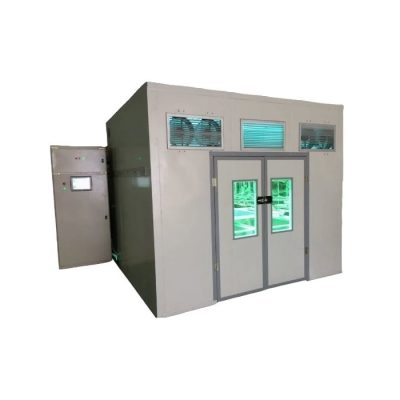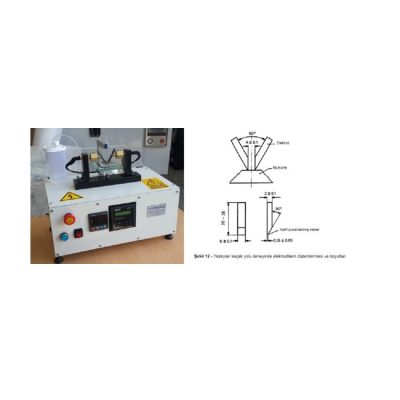

Glow Wire Test Device
The Glow Wire Test Device is used to test the fire resistance of electrical and electronic devices, plastic parts, or other insulating materials. This test determines whether a material ignites when exposed to high temperatures or continues burning after being subjected to the applied temperature. The test is performed to ensure that electrical devices and insulating materials comply with safety standards.
Working Principle:
The process works as follows: A metal wire (typically made of nickel-chromium alloy) is heated to a specific temperature (e.g., 550°C, 650°C, 750°C, or 850°C). After heating, the metal is brought into contact with the material being tested with a force of approximately 1 Newton. After this, the material’s condition is observed, and the ignition status, flame duration, and the presence of dripping are checked.
Applicable Standards:
The Glow Wire Test Device complies with the following standards:
- IEC 60695-2-10 / 11 / 12: International standards for determining the flammability of electrical devices.
- EN 60695-2-10: European standards.
- UL 746A: Safety standards for plastic materials in the United States.
- TS EN 60695-2-10: Describes the experimental methods and general procedures based on the glow wire.
- TS EN 60695-2-11: Glow Wire End Product Flammability Test (GWEPT) method. Used to assess the ignition risk of electrical products.
- TS EN 60695-2-12: Defines the “Determination of Flammability Index” test method for materials.
- TS EN 60695-2-13: Determines the ignition temperature for materials such as solid electrical insulating materials using a glow wire.
Applications:
This test is used to assess materials across various industries, including:
- Electrical Devices: Insulating materials, plugs, sockets, fuses, etc.
- Electronic Components: Testing the fire resistance of plastic components.
- Automotive Industry: Fire resistance testing of automotive parts.
For Glow Wire Test Device inquiries or orders, please feel free to contact us.