
Solar Panel Environmental Conditioning Test (IEC 60068-2-52)
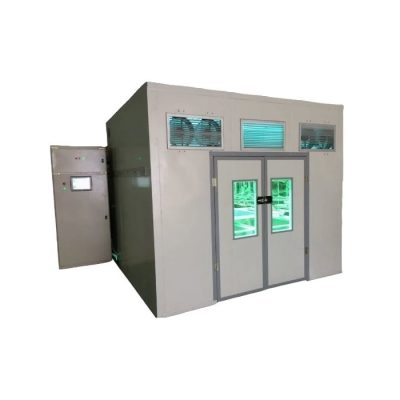
The Solar Panel Environmental Conditioning Test is designed to measure the durability of photovoltaic (PV) modules against environmental factors in compliance with the IEC 60068-2-52 standard. This test stands out with its salt spray test, which simulates resistance to corrosion and evaluates the performance of solar panels under harsh environmental conditions.
The IEC 60068-2-52 Standard provides a testing procedure to simulate conditions where electronic and electrical devices are exposed to corrosive salty environments. It is particularly important for solar panels used in areas with high salt concentrations, such as coastal regions.
Test Scope
Salt Spray Test:
- Solar panels are tested by continuously spraying a saline solution in a test chamber.
- The concentration of the solution and the spraying duration are determined according to the standard.
- After the spraying process, panels are kept in a humid environment to evaluate corrosion effects.
Corrosion Analysis:
- The formation of corrosion on the panel surface, the integrity of connection points, and the condition of surface coatings are examined.
- This test is critical to ensuring the long-term durability of the panels.
Electrical Performance Test:
- After exposure to the saline environment, the electrical characteristics of the panels are measured, particularly parameters such as maximum power output (Pmax), open-circuit voltage (Voc), and short-circuit current (Isc).
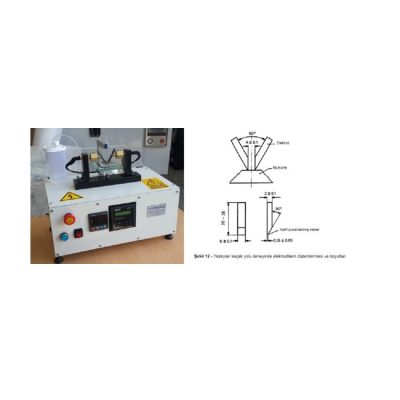
At ULMEKA Mechatronics Eng. Domestic and Foreign Trade Co. Ltd., we manufacture and provide Solar Panel Environmental Conditioning Test Devices in compliance with the IEC 60068-2-52 standard, ensuring the best service. To learn more about the Solar Panel Environmental Conditioning Test Device or to place a custom order tailored to your needs, feel free to contact us.